


If the idea of cold-calling strangers, hosting a YouTube channel, or running live coaching sessions makes you want to crawl under your desk, you are not alone. Roughly 30% of Americans identify as strong introverts, and most online side-hustle advice is written by extroverts who love being on camera. The good news is that quiet, focused work is more valuable than ever in 2026, and there are at least a dozen ways to earn $500 to $5,000 a month from home without forcing yourself into an extroverted persona.
This guide walks through realistic, deep-work-friendly ways to make money as an introvert from home. Every option below favors written communication, async collaboration, and solo focus blocks. No phone calls. No live video. No “hyping the brand” required. For even more options, check out the best side hustles to start with no money.
Why Introverts Have a Quiet Advantage Online
Introverts tend to thrive in environments that reward concentration, careful editing, and long stretches of independent thought. Most remote work in 2026, especially asynchronous freelance work, is built exactly on those traits. While extroverts burn energy networking on Zoom, introverts can be 30% to 50% more productive doing the actual work, according to Cal Newport’s research on deep focus.
On platforms like Upwork, Fiverr, and Contra, written portfolios and clean deliverables matter far more than personality. Clients hire whoever produces consistent quality, and introverts have a structural edge because they typically prefer email over meetings. The trick is choosing income streams that match your wiring instead of fighting it.
Best Side Hustles That Match an Introverted Style
Below are six income streams that consistently work for introverts. Each one can be started solo, scales with skill, and rarely requires real-time conversations.
1. Freelance Writing or Editing

Blogs, e-commerce sites, and SaaS companies always need writers. Beginners can earn $0.05 to $0.15 per word on platforms like Contra and Upwork, while experienced writers in finance, B2B tech, and health niches earn $0.30 to $0.80 per word. A 1,500-word article at $0.20 per word is $300 for what most experienced writers can finish in 4 hours.
2. Bookkeeping for Small Businesses
Bookkeeping is mostly software (QuickBooks, Xero, FreshBooks), spreadsheets, and email. After a $500 certification course, beginning bookkeepers can charge $30 to $60 per hour, with many serving 5 to 10 small clients on a $300-per-month retainer each. That is $1,500 to $3,000 a month for roughly 10 hours of work per week.
3. Etsy Digital Products
Designing planners, templates, wedding invitations, and Notion dashboards is a perfect introvert hustle. You make the product once and sell it on auto-pilot. Top sellers earn $5,000 to $20,000 a month. Even modest stores with 50 to 100 listings can generate $300 to $1,000 a month in passive income within the first year.
4. Transcription and Captioning
Companies like Rev, GoTranscript, and Scribie pay $0.30 to $1.10 per audio minute for accurate transcription. Captioning videos pays even more. This work is repetitive but quiet, low-stakes, and ideal for sensory-friendly evenings. Steady transcribers earn $400 to $1,200 a month.
5. Notion or Excel Template Creation
Custom Notion templates and Excel/Google Sheets dashboards sell for $15 to $99 each on Gumroad and Etsy. Build 10 templates over a few weekends and price them at $25 each. Selling 40 templates a month equals $1,000 in revenue with no client meetings.
6. Print on Demand (T-shirts, Mugs, Posters)
Platforms like Printful, Printify, and Redbubble handle printing and shipping. You upload designs once and earn $4 to $12 royalty per item sold. Niche stores in pet humor, hobby quotes, and book lover gifts can hit $1,000 to $5,000 a month within 6 to 12 months.
Setting Up a Quiet Home Office That Pays Off
Income streams matter, but so does the environment. Most introverts work better with predictable, low-stimulation surroundings. A simple home setup pays for itself within 30 to 60 days for most freelancers.
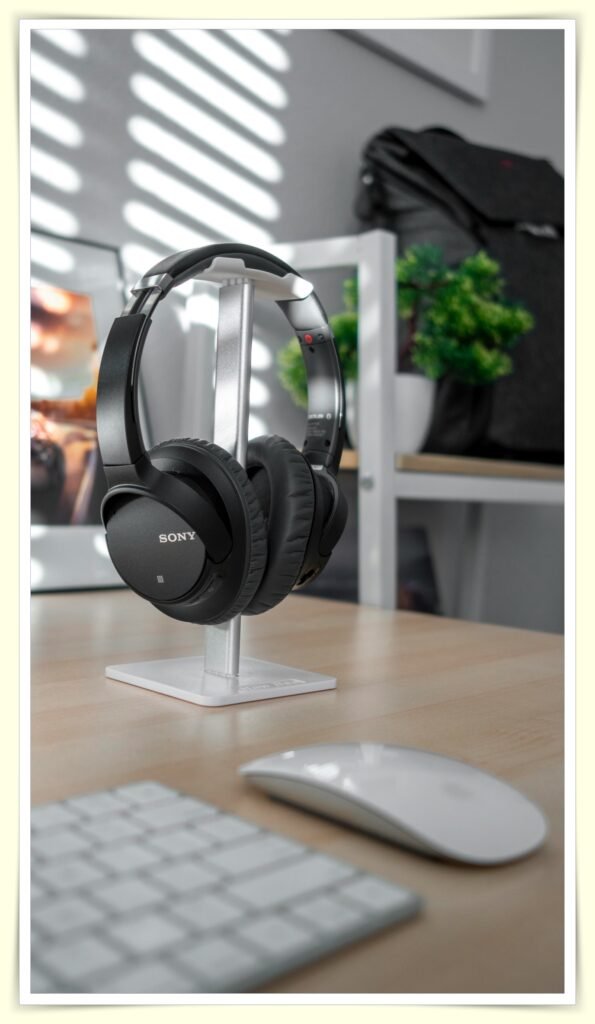
- Noise-canceling headphones (around $150 for Sony or Bose) to block out roommate or street noise.
- An ergonomic chair (under $250 used on Facebook Marketplace) to handle 6+ hour work blocks.
- A clean second monitor (around $130 new) for writing, spreadsheets, and design work.
- A simple time-tracking app like Toggl or Clockify (free) so you can prove hours to clients without conversations.
- An auto-responder email signature listing your typical response window (“I reply Monday through Thursday by 5pm CT”) to set quiet boundaries upfront.
If you can carve out a corner with a door that closes, even better. Multiple studies have shown that introverts produce 20% to 40% more output when they have a private, low-distraction zone for at least 4 hours a day.
How to Find Clients Without Cold-Calling or Cold DM-ing
The biggest myth in side hustle advice is that you have to cold-pitch hundreds of strangers. Introverts can build a steady client pipeline without ever picking up the phone.
- Apply to written-pitch job platforms: Upwork, Contra, Working Nomads, and We Work Remotely accept written proposals only.
- Build a one-page portfolio site on Carrd ($19/year) with samples and a contact form. SEO-friendly URLs help leads find you passively.
- Comment thoughtfully on LinkedIn or Twitter posts in your niche 3 to 5 times a week. Introverts often write better than they speak, and quality comments lead to inbound DMs.
- Pitch via email, not phone. A clear 4-paragraph email with proof of past work converts as well as any cold call when targeted to the right decision-maker.
- Repeat clients > new clients. After your first 5 happy clients, ask for a written testimonial and a referral. Most introvert freelancers stay booked 6+ months out on referrals alone.
Earning Realistic Numbers in Year One
Setting realistic income expectations is the difference between a side hustle that lasts and one that dies in month three. Here is what the typical introvert from-home progression looks like.
- Months 1-3: $0 to $300 a month while you build samples, set up profiles, and land your first clients.
- Months 4-6: $300 to $1,500 a month as you raise rates and complete repeat work.
- Months 7-12: $1,500 to $4,000 a month for those who niche down and ask for referrals.
- Year 2: $4,000 to $10,000+ a month for freelancers who specialize and double down on one platform or product line.
Quitting a 9-to-5 entirely usually happens between month 9 and month 18 for committed introverts. The path is not as fast as the “earn $10k in 30 days” YouTube videos promise, but it is dramatically more sustainable.
Energy Management: The Real Secret Weapon
Talented introverts often fail not because they lack skill but because they overschedule and burn out. Treat your energy budget like a financial budget. Block 2 to 4 deep-work hours in the morning before any messaging app is opened. Keep client calls (if you must take them) to a single weekday afternoon. Build at least one full “quiet day” per week with no external communication so your nervous system can reset.
Set a hard limit of 25 weekly client hours during your first year. Any additional hours go to higher-value work like learning, building products, or refining your portfolio. Introverts who pace themselves outearn those who hustle 50-hour weeks because they avoid the energy crashes that lead to dropped clients and missed deadlines.
Frequently Asked Questions
Can introverts realistically replace a full-time income from home?
Absolutely. Many introvert freelancers replace a $50,000 to $80,000 salary within 12 to 24 months by focusing on one written-skill niche, raising rates 25% every 6 months, and protecting deep-work mornings. Specialization beats generalization. A bookkeeper for SaaS startups or a writer for FinTech blogs often earns 2x to 3x what generalists earn while doing fewer client calls.
Which side hustle has the lowest startup cost for introverts?
Freelance writing and Notion or Excel template creation are the cheapest. You need a laptop, internet, and free accounts on Upwork, Contra, or Gumroad. First-month costs can be under $20 for a basic Carrd portfolio. Bookkeeping costs more upfront ($300 to $600 for QuickBooks ProAdvisor or similar certification) but ramps up faster because demand far outpaces supply.
How do I handle clients who want video calls when I prefer email?
State your communication preference upfront in your proposal: “I do 95% of work via email and Slack, with one optional 30-minute kickoff call.” Most clients respect clear boundaries because async work is faster for them too. For the few who insist on weekly video meetings, raise your rate by 25% to compensate for the energy cost, or politely decline. There are far more clients than you can serve, so filtering for fit is a smart business decision.
Final Thoughts

Making money as an introvert from home is not just possible, it is one of the smartest career moves you can make in 2026. Quiet, deliberate, written work is in higher demand than at any point in the last 50 years. The internet rewards people who can finish careful work without needing constant external stimulation, which is exactly what introverts do best. Ready to start? Read our guide on how to make $500 a month from home with your first hustle.
Pick one income stream from this guide today, spend the weekend setting up your profile or first product, and apply to or list 5 opportunities by Sunday night. The first $100 is the hardest. After that, momentum, repeat clients, and rate increases turn a quiet home office into the calmest, highest-paying job most introverts have ever had.