


Turning 18 with no credit history is the financial version of being shut out of the building. Apartments, car loans, even some entry-level jobs check credit, and a thin file means rejection or sky-high deposits. The good news is that you can build a 700+ credit score in 12 to 18 months without a cosigner using tools that exist specifically for young adults.
This guide walks through exactly how to build credit at 18 without a cosigner, including the best starter cards in 2026, alternative credit-building tools, the timeline you can realistically expect, and the early mistakes that wreck a brand-new credit file.
Why Building Credit Matters Before You’re 21
Credit scores carry forward for life, but the longer your credit history, the better. Starting at 18 instead of 22 gives you 4 extra years of “length of credit history,” which is 15% of your FICO score. Long-time credit holders score 30 to 60 points higher on average for that single factor alone.
Real-world impact of having a 700+ credit score by age 21:
- First apartment: no co-signer or extra deposit needed (saves $500 to $2,000 upfront).
- Auto loan: 5% to 7% APR instead of 14% to 22% APR for thin files (saves $3,000 to $8,000 over 5 years).
- Cell phone plan and utility setup with no security deposit (saves $200 to $500).
- Insurance premiums 10% to 30% lower (saves $200 to $600 a year).
Option 1: Become an Authorized User on a Family Member’s Card
The fastest credit-building move is becoming an authorized user (not a joint account) on a parent or close family member’s existing credit card. Their account history transfers to your credit report.
- Confirm the card reports authorized users to all 3 bureaus (Capital One, Discover, American Express, and Bank of America do; some Citi cards do not).
- Pick an account that is at least 3 years old with perfect payment history.
- You don’t need to actually use the card. The credit history alone boosts your score.
- Average score within 30 to 60 days: 670 to 720 if their account is solid.
Option 2: Get a Secured Credit Card
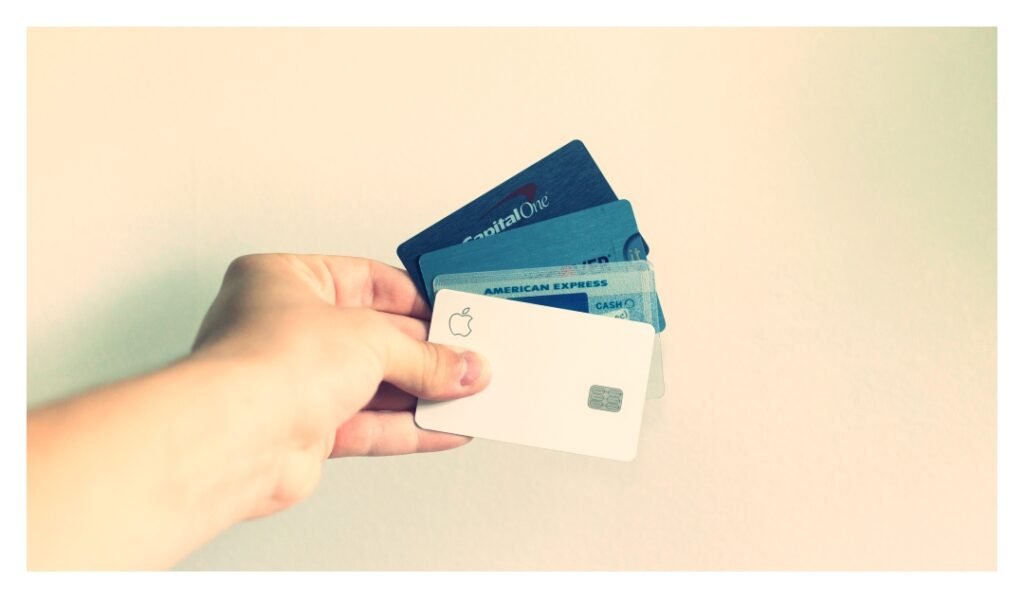
If becoming an authorized user is not an option, a secured credit card is the next best move. You put down a refundable deposit ($200 to $500) that becomes your credit limit. Best 2026 picks:
- Discover It Secured: $200 deposit, no annual fee, cashback rewards, automatic graduation to unsecured after 7 months.
- Capital One Platinum Secured: $49 to $200 deposit (variable), no annual fee, possible credit line increase after 6 months.
- Chime Credit Builder: $0 deposit (acts like secured), no credit check, instant approval.
- Discover It Student Secured: same as Discover It but with extras for college students.
Use the card for one small recurring expense (Netflix, Spotify, or a phone bill) and pay it off in full each month. After 6 to 12 months of perfect payments, score typically lands in the 680-720 range.
Option 3: Apply for a Student Credit Card

Several major issuers offer credit cards specifically for college students with no credit history. They look at proof of enrollment and limited income instead of credit score.
- Discover It Student Cash Back: 5% rotating categories, $0 annual fee, easier approval for students.
- Capital One SavorOne Student: 3% on dining and entertainment, $0 annual fee.
- Bank of America Travel Rewards for Students: 1.5x points on everything.
- Citi Custom Cash Card (sometimes accepts students): 5% in your top spend category.
Approval requires proof of part-time income ($150 to $300/month minimum is often enough) and an .edu email or enrollment verification. Average starting limit: $300 to $1,500.
Option 4: Self Credit Builder Loan
Self.inc and Kikoff offer credit-builder loans that work backwards: you make monthly payments of $25 to $50, the lender holds the money, and after 12 to 24 months you receive the saved amount with on-time history reported to all three bureaus.
- Self: $0 to $25/month deposit, $9 setup fee, builds payment history for 12 to 24 months.
- Kikoff: $5/month deposit, $0 setup fee, immediate reporting.
- Average score increase: 30 to 60 points in 12 months for thin-file borrowers.
Option 5: Experian Boost and StellarFi
Both services let you add non-traditional bills (rent, utilities, streaming subscriptions) to your credit report. They are free or low-cost and can boost a thin file by 10 to 20 points.
- Experian Boost: free, adds utility, phone, and streaming history. Reports only to Experian.
- StellarFi: $4.99/month, reports to all 3 bureaus, useful for multiple bills.
These tools work best as supplements, not replacements. Pair them with a secured or student credit card for the strongest 12-month effect.
Step-by-Step Plan for the First 12 Months
- Month 1: Become authorized user on a family member’s card. Apply for a secured or student credit card. Sign up for Experian Boost.
- Month 2-3: Use the card for one small recurring bill. Set up autopay for the full balance. Not sure where your money should go each month? Start with our guide on how to create a budget for the first time so your new card fits into a plan you can actually stick to.
- Month 4-6: Add a Self credit builder loan ($25/month). First credit score should be 660-700.
- Month 7-9: Request a credit limit increase on the secured/student card. Score should be 680-720.
- Month 10-12: Apply for a second card (rewards card or store card with your favorite retailer). Score should be 700-740 by month 12.
Avoid These Common Beginner Mistakes
- Carrying a balance to ‘build credit faster.’ Carrying a balance does not help your score and costs you 20%+ APR. Pay in full every month.
- Maxing out the card. Keep utilization under 30%, ideally under 10%. Staying under that limit is much easier when you can see every charge in one place — here’s how to track your spending without the guesswork.
- Closing your first card after 6 months. Closing kills your length of credit history. Keep that first card open for life.
- Applying for many cards at once. Each hard inquiry drops your score 5-10 points. Limit applications to once every 90 days.
- Co-signing for friends or roommates ‘as a favor.’ Their late payment becomes your problem and tanks your score.
Frequently Asked Questions
Can I really build credit at 18 without a cosigner?
Yes, easily. Secured credit cards, student credit cards, authorized user status, credit-builder loans, and Experian Boost all work without a cosigner. Most 18-year-olds who follow the 12-month plan above hit a 700+ credit score before turning 20.
How much income do I need to qualify for a starter credit card?
Most secured cards have no income requirement (you secure the line with your deposit). Student cards typically require proof of $150 to $300/month from any source: part-time job, work-study, gig work, or even predictable family financial support. Be honest on the application about your true income.
Will checking my credit score hurt it?
No. Checking your own score (a ‘soft inquiry’) has zero impact on your credit. Free tools like Credit Karma, Experian, and your bank’s credit dashboard let you check as often as you want. Only ‘hard inquiries’ from new credit applications count, and those drop only 5-10 points and recover in 6 to 12 months.
Final Thoughts

Building credit at 18 without a cosigner is one of the best financial moves you will ever make. Starting now means a 700+ score by age 19 to 20, dramatically lower interest rates for life, no rental deposit headaches, and access to financial products your peers won’t qualify for until their mid-20s.
Pick one starter option from this guide today (authorized user, secured card, or student card), apply this week, and set up autopay for the full balance the day the card arrives. Twelve months from now, your credit score will tell a story your peers wish they had started writing earlier.