
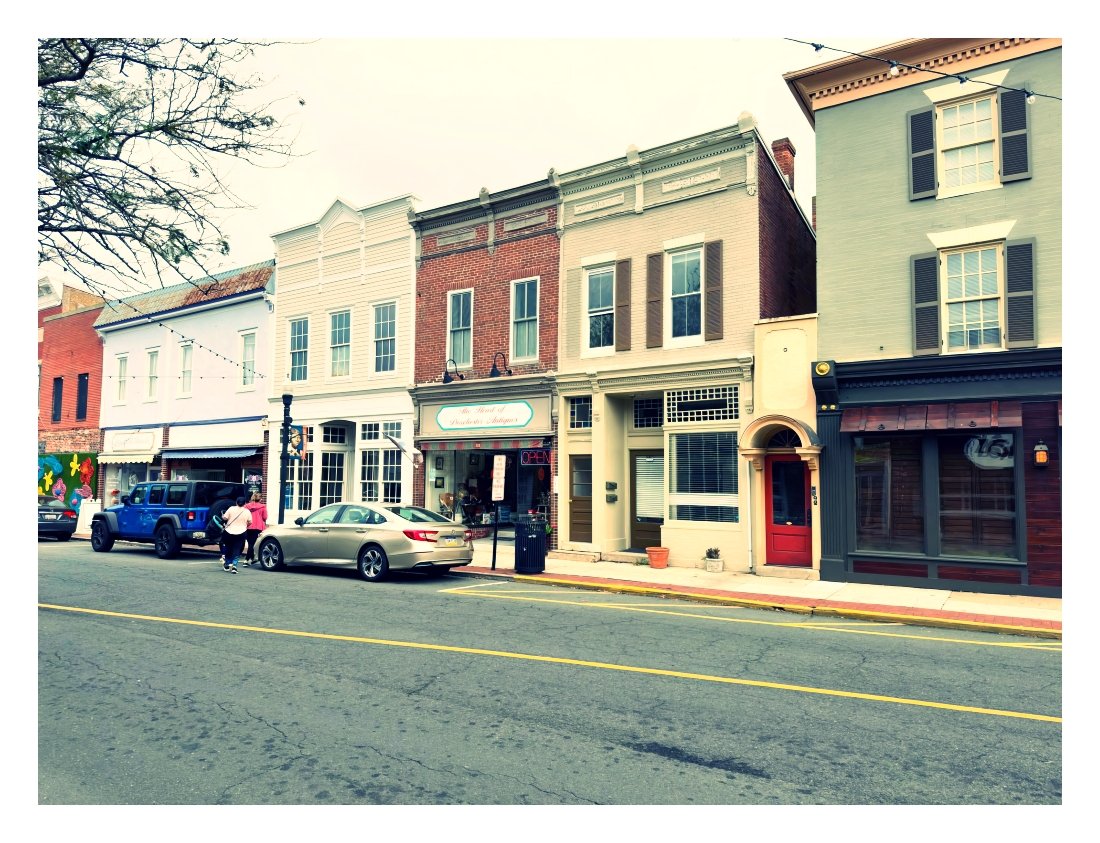

Small-town living gets a romantic reputation: cheap rent, easy parking, friendly neighbors, slower pace. The reality is more nuanced. Yes, housing is dramatically cheaper, but groceries, gas, healthcare, and entertainment often cost more than people expect, and the lower-cost-of-living narrative falls apart if you do not actively manage the categories that small-town America does NOT make cheap.
This guide covers practical, small-town-specific ways to save money in 2026. By the end, you will know which categories naturally save money in a rural setting, which actually cost more, and the smart workarounds that turn a small-town move or lifestyle into a $5,000 to $15,000 annual savings.
Understand What’s Cheaper (and What Isn’t)
Small-town America has clear wins and clear losses compared to big cities.
Cheaper in Small Towns
- Rent: median 3-bedroom is $850 to $1,400 vs. $2,500 to $4,500 in cities.
- Property taxes (often half or less of metro rates).
- Property insurance (lower wildfire/flood/theft premiums in many areas).
- Daycare and Pre-K (when available, often $200-$400/month less per kid).
- Restaurants (entree prices typically 25-40% lower).
- Auto insurance (15-30% lower in low-population zip codes).
More Expensive in Small Towns
- Groceries (often 10-25% higher due to supply chain).
- Gas (rural distances mean 30-50% more driving per week).
- Healthcare specialists (long drives or telehealth-only).
- High-speed internet (sometimes only 1 provider, $80-$120/month).
- Variety of stores and services (Amazon shipping fees become important).
Step 1: Maximize the Housing Win

The biggest single financial advantage of small-town life is housing. Use it strategically.
- Buy rather than rent if possible. Median small-town home is $190,000 in 2026 vs. $470,000 metro median. Mortgage payment often equals rent.
- USDA loans: $0 down payment for rural area home buyers earning under $115,000.
- Use the savings vs. metro housing to attack debt or invest. Even $1,000/month redirected pays off $40,000 of student loans in under 5 years.
- Consider a duplex or 3-bedroom house with rentable space. Rural Airbnb income averages $400-$800/month off a finished basement or accessory unit.
Step 2: Plan Around the Driving Penalty

Small towns require more driving. The U.S. average rural household drives 18,000 miles a year vs. 11,000 for urban. Strategies that recover the gas spend:
- Combine errands into one weekly trip. Saves 15% to 25% of total miles.
- Buy a fuel-efficient car (35+ mpg). Saves $1,200-$2,400/year over a 22 mpg vehicle.
- Use GasBuddy and Costco Gas memberships ($0.10-$0.30/gallon savings).
- Carpool or arrange shared school pickups with neighbors. Saves 30 to 40% of school-run miles.
- Work-from-home jobs eliminate the longest commute and can be a $3,000-$5,000/year savings.
Step 3: Beat the Grocery Premium

Rural grocery stores often charge 10-25% more than chain supermarkets. Workarounds:
- Shop the closest Walmart Supercenter or Aldi monthly for staples and freeze items.
- Buy a chest freezer ($200-$400 one-time) to stock bulk meat and frozen produce.
- Join a CSA (Community Supported Agriculture) for farm-direct produce. Average box is $25-$35 weekly.
- Grow a small home garden (tomatoes, lettuce, peppers, herbs). Even a 4×4 plot saves $200-$400 in summer produce costs.
- Use Walmart+ subscription ($98/year) for free delivery if a Walmart is within 30 miles. Managing an especially tight monthly budget? Read our guide on how to live on $1,500 a month after rent for more money-stretching strategies.
Step 4: Solve the Healthcare Specialist Problem
Specialist care in small towns requires either long drives or telehealth. Plan for both:
- Telehealth platforms (Teladoc, MDLive, Amwell) typically cost $40-$75 per visit and replace most non-emergency specialist visits.
- Critical access hospitals (CAH) in rural areas accept Medicaid and Medicare and offer sliding-scale fees.
- Schedule annual physicals, dental, and eye exams during a single trip to the nearest metro area.
- Use community health centers (FQHCs) for primary care: sliding-scale fees regardless of income.
Step 5: Take Advantage of Small-Town Free Activities
Entertainment in small towns is often dramatically cheaper. Lean into it:
- Free or low-cost outdoor recreation: hiking, fishing, kayaking on local lakes (state parks pass $30/year).
- Public library cards unlock free streaming via Hoopla and Kanopy + e-books and audiobooks.
- Community center programs (yoga, art classes, kids’ sports) often cost 50-80% less than metro fitness studios.
- Local potlucks, church suppers, and town festivals replace expensive metro restaurants.
Step 6: Plan Bulk Trips to Save on the Things That Cost More
One savvy bulk trip per month to the nearest metro area solves most small-town pricing penalties at once.
- Costco run for $200-$300 of bulk staples saves $100-$150 vs. local store equivalents.
- Combine the Costco trip with annual specialist visits, library trips, and a meal out.
- Pre-order online and use the trip for pickup at Best Buy, Home Depot, or Target.
- Pair with a CSA pickup or farmers market visit for fresh local produce on the way home.
Step 7: Build a Rural-Specific Emergency Fund
Rural emergencies are different. Long distances mean tow trucks cost $200 to $500 instead of $80, hospital trips can require $500 to $1,500 of travel costs, and contractor visits often charge a $100 to $200 “distance fee.”
- Aim for $2,500 to $5,000 in your emergency fund instead of the standard $1,000 minimum. Not sure how to build yours from scratch? Here’s a step-by-step guide on how to create an emergency fund even on a tight rural budget.
- AAA Premier membership ($150/year) covers up to 200 mile tows and pays for itself in one rural breakdown.
- Keep a ‘home repair’ sub-fund of $1,000 specifically for distance-fee plumber/electrician/HVAC visits.
Frequently Asked Questions
Is small-town living actually cheaper than living in a city?
It is on housing, restaurants, and many services, but more expensive on groceries, gas, internet, and specialist healthcare. The net effect for most households is $5,000 to $15,000 in annual savings, but only if the family actively manages the higher-cost categories. People who try to maintain a metro lifestyle in a small town (eating out frequently, buying everything from local stores, shopping online with shipping fees) often see no savings at all.
What is the biggest hidden cost of small-town living?
Driving. The average rural household drives 7,000 more miles per year than urban households, costing roughly $2,500 in extra gas, maintenance, and depreciation. Working from home, combining errand trips, and carpooling for school can claw most of that back. Without those moves, the gas spend can fully offset housing savings.
Can I save more by moving to a small town from a city?
Yes for most households. The typical metro-to-rural move generates $8,000 to $25,000 in annual savings, mostly from housing. The savings are largest if you keep your remote work salary while moving (geo-arbitrage) or if you can buy a home with USDA $0-down financing. The savings are smaller or negative if you take a 25%+ pay cut to relocate.
Final Thoughts
Small-town life is one of the most underrated wealth-building strategies in modern America. Lower housing, lower property taxes, and cheaper restaurants combine into thousands of dollars saved per year, especially when paired with smart bulk shopping, telehealth, and one well-planned monthly metro trip.
Audit your current spending tonight by category. Identify the three categories where small-town life saves you money and the two where it costs more. Build the workarounds for the costly categories using this guide, redirect every dollar saved toward debt or investing, and within 12 months you will have built a $5,000+ buffer that simply did not exist before.