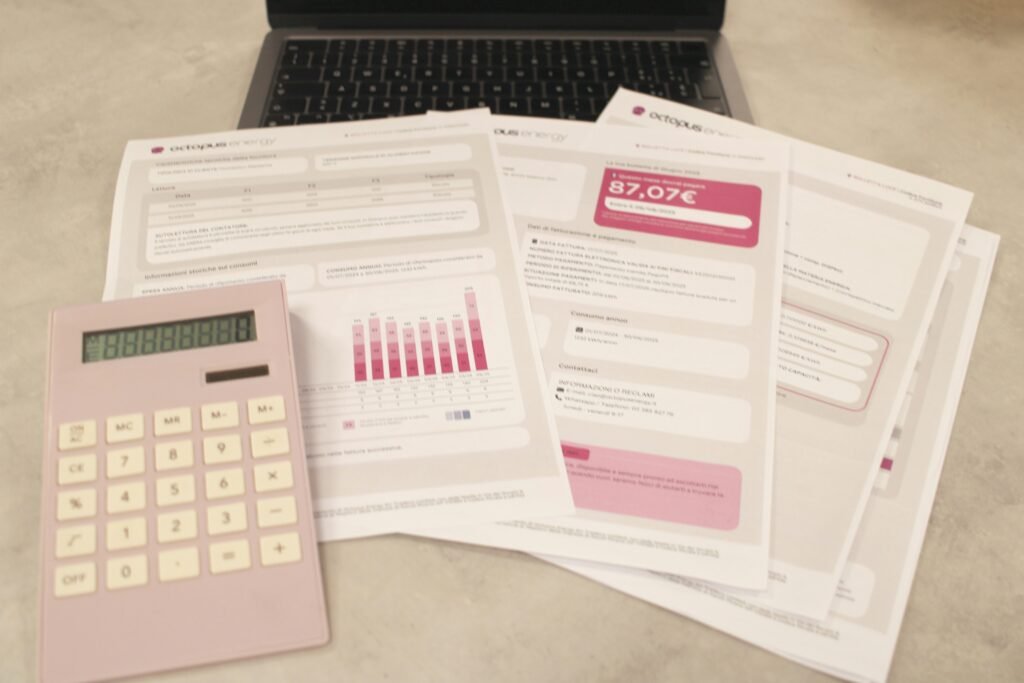
Have you ever checked your bank app on a Friday, felt pretty good, and then checked it again on Monday only to panic? You sit there wondering if someone stole your debit card.
Deep down, however, you know the culprit wasn’t a hacker. It was just a weekend of takeout, a few rounds of drinks, and an impulse online order you made at 1 AM.
It’s a frustrating and relatable feeling. We’ve all been there, staring at our glowing screens and thinking, “Where did my hard-earned paycheck actually go?”
If you are tired of that end-of-the-month anxiety, you have landed in exactly the right place. Figuring out how to track your spending simple methods style is the ultimate life hack for anyone who wants to enjoy life without going broke.
You do not need an advanced finance degree or a boring spreadsheet to get your money right. You just need a practical system that fits your vibe, requires minimal effort, and actually works.
Let’s break down exactly how to take back control of your cash, ditch the money guilt, and start funding the life you actually want to live.
Why Your Bank Balance Always Feels Like a Mystery
Most of us do not go broke making massive, life-altering purchases. We drain our checking accounts through the slow, steady drip of small, untracked daily habits.
When you don’t know where your money is going, every purchase feels like a guessing game. You might decline a dinner invite because you feel “broke,” only to drop $50 on a random TikTok Shop gadget the next day.
This happens because our brains are not wired to easily comprehend dozens of small transactions over a 30-day period. Swiping a card or double-tapping Apple Pay is frictionless, which means we don’t feel the “pain” of parting with our cash.
When you learn how to track your spending simple methods, you remove the blindfold. You stop wondering if you can afford something and start knowing exactly what you can afford.
Tracking your expenses isn’t about restricting your fun or never buying a latte again. It is simply about giving yourself permission to spend your money on the things that actually matter to you.
The Audit: Finding Your Hidden Money Leaks
Before you can fix your spending, you need to diagnose the problem. This requires a quick, honest audit of your last 30 days of transactions.
Grab your phone, pull up your bank statements, and grab a piece of paper. You are looking for recurring patterns and subscriptions you completely forgot you were paying for.
Let’s look at some real numbers. Imagine you grab a $6 iced coffee four days a week. That is $24 a week, or roughly $104 a month.
Now, add in three $15 streaming services, plus two $30 food delivery orders a week. Suddenly, you have spent $389 this month on things you probably barely even remember enjoying.
That $389 could have covered a weekend road trip, paid down a high-interest credit card, or boosted your emergency savings fund.
Once you see the real numbers written down, making a change stops feeling like a chore and starts feeling like an obvious, empowering choice.
The 50/30/20 Rule: A Blueprint for Your Paycheck
If you want to know how to track your spending simple methods, the 50/30/20 rule is the perfect starting point. It requires zero complicated math.
Here is how the framework breaks down your take-home pay (after taxes):
- 50% Needs: Your absolute essentials. This covers rent, groceries, car payments, insurance, and minimum debt payments.
- 30% Wants: The fun stuff. Think dining out, concert tickets, gym memberships, and travel.
- 20% Savings & Debt: Your future self. This goes toward emergency funds, investing, or aggressively paying down student loans.
Let’s use a real example. If you take home $3,500 a month, your budget would look like this:
- $1,750 for your needs.
- $1,050 for your wants.
- $700 for your savings and debt payoff.
This method is incredibly popular because it is realistic. It bakes “fun money” directly into your budget, so you never feel guilty about buying a round of drinks or a new pair of shoes.
Top 5 Free Budgeting Apps to Automate Your Life
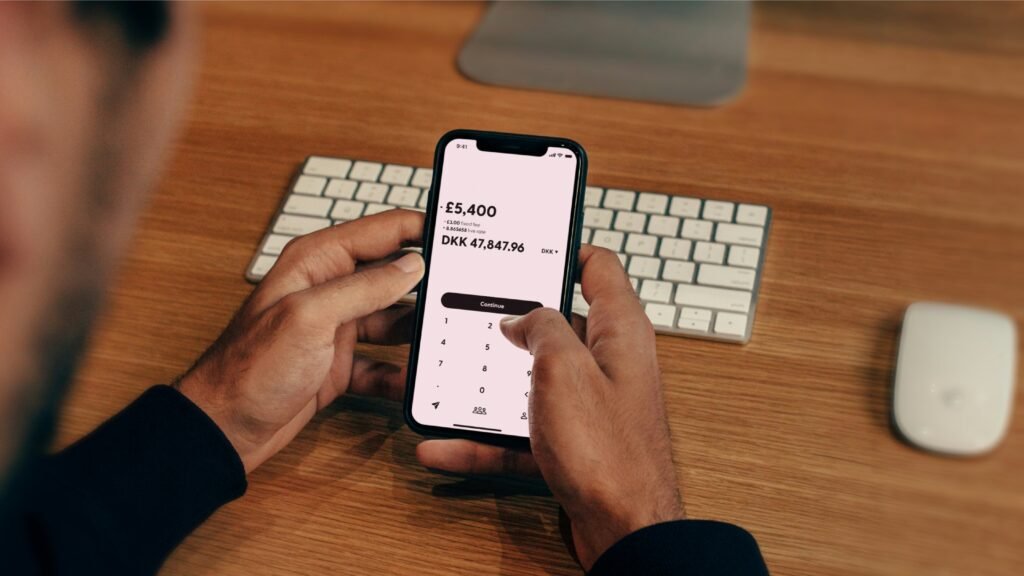
You don’t have to track your money with pen and paper anymore. The app store is full of powerful tools designed to do the heavy lifting for you.
Here is a breakdown of the top 5 free budgeting apps available right now, and what makes each of them unique.
| App Name | Best Feature | Bank Sync in Free Tier? | Best For |
| PocketGuard | “In My Pocket” spending limit | Yes | Chronic overspenders |
| Rocket Money | Subscription cancellation | Yes | Finding hidden monthly bills |
| EveryDollar | Zero-based budgeting framework | No (Manual entry) | Goal-oriented planners |
| Goodbudget | Digital envelope system | No (Manual entry) | Hands-on budgeters |
| Honeydue | Partner chat & shared sync | Yes | Couples managing money together |
1. PocketGuard
PocketGuard is incredible if you constantly ask yourself, “How much can I actually spend right now?” It links to your bank accounts for free.
The app calculates your income, subtracts your upcoming bills, and gives you an “In My Pocket” number. This is your safe-to-spend cash for the day or week.
2. Rocket Money
Formerly known as Truebill, Rocket Money shines at uncovering the money you are wasting on autopilot.
It syncs with your accounts to find forgotten gym memberships, duplicate streaming services, and sneaky app subscriptions. It will even negotiate your cable or internet bills down for you.
3. EveryDollar
Created by personal finance personality Dave Ramsey, EveryDollar is built on the concept of zero-based budgeting. This means you assign every single dollar a “job” before the month begins.
The free version requires you to enter your transactions manually. Many people actually prefer this, because manually typing in a $45 restaurant bill forces you to stay acutely aware of your spending.
4. Goodbudget
Goodbudget takes the old-school “cash envelope” system that your grandparents used and makes it completely digital.
You create virtual envelopes for categories like “Groceries” or “Gas” and fund them with your paycheck. When an envelope hits zero, you stop spending in that category until you get paid again.
5. Honeydue
Money is a famously awkward topic in relationships, but Honeydue makes it simple. This free app is designed specifically for couples.
You and your partner can link your individual and joint accounts in one place. You can set shared spending limits, remind each other about upcoming bills, and even send emojis about specific transactions.
3 Psychological Hacks to Stop Impulse Buying Today
Even with the best apps in the world, your brain will still try to trick you into impulse shopping. You need a few psychological roadblocks to protect your budget.
1. Use the 24-Hour Rule
Whenever you want to buy a non-essential item over $50, force yourself to wait a full 24 hours before checking out. You will be shocked by how often the urge completely fades by the next morning.
2. Delete Your Saved Credit Cards
If your credit card information is saved in your browser or favorite shopping apps, spending money takes one click. Go into your settings and delete your saved cards. Forcing yourself to get up, find your wallet, and type in the numbers manually gives your brain time to reconsider the purchase.
3. Calculate the Cost in Hours, Not Dollars
If you make $20 an hour after taxes, a $100 pair of sneakers doesn’t cost $100. It costs five hours of your working life. Ask yourself: “Is this item worth five hours of dealing with my boss and commuting?” Often, the answer is a hard no.
Frequently Asked Questions (FAQ)
Do I have to track every single penny to be successful?
Absolutely not! If tracking every coffee stresses you out, focus only on your “problem areas.” If you know your rent and utilities are static, just track your dining out and online shopping categories to keep your spending in check.
What if my income changes every month because I freelance or work in hospitality?
If your income fluctuates, budgeting is even more important. Calculate your baseline budget using your lowest earning month from the past year. Cover your essentials with that number, and treat any extra income in better months as a bonus to throw straight into savings or debt.
Is it safe to link my bank account to these free budgeting apps?
Yes, reputable budgeting apps like the ones listed above use bank-level encryption (often 256-bit encryption) and read-only access. This means the app can see your transactions to categorize them, but it cannot actually move your money or make withdrawals.
Conclusion: Take Control of Your Cash

Mastering your money doesn’t happen overnight, but taking the first step is easier than you think. You don’t need a flawless system; you just need to start paying attention.
Learning how to track your spending simple methods is ultimately about buying yourself peace of mind. It is about knowing that your bills are paid, your savings are growing, and you can still afford to grab drinks with your friends on Friday night.
Pingback: How to Stop Living Paycheck to Paycheck
Pingback: How to Save Money on Subscription Services