
How to Save Money on Internet Bills. The average American household pays $65–$85 per month for internet service — and many are paying far more without even realizing they’re being overcharged. ISPs count on customer inertia. They know most people will never call to negotiate, never compare plans, and never switch providers. That’s why your bill quietly creeps up year after year.
The good news? You have way more power than you think. With the right strategies, most households can cut their internet bill by $20–$50 per month — that’s $240–$600 back in your pocket every year. Here’s exactly how to do it.
Audit Your Current Plan First
Before you do anything else, look at your current internet bill carefully. Most people have no idea what they’re actually paying for or what speed tier they’re on. Pull up your latest bill or log into your account online and find:
- Your current monthly rate (before taxes and fees)
- Your advertised download/upload speeds
- Any equipment rental fees (modem/router)
- Any promotional rate expiration dates
- Any contracts or early termination fees
A shocking number of customers are paying for speeds they don’t need. If you’re paying for a 1 Gbps plan but you’re a household of two people who mostly stream Netflix and browse social media, you could easily drop to a 200 Mbps plan and save $20–$30/month immediately.
Call and Negotiate Your Rate

This is the single most effective thing you can do, and it takes about 20 minutes. Call your ISP’s customer retention department (not regular support) and tell them you’ve been a loyal customer but you’re considering switching because you found a better deal with a competitor. Be polite but direct.
Use this script: ‘Hi, I’ve been a customer for [X] years and I love the service, but my bill has gone up to $[X] per month. I’ve been looking at [Competitor] and they’re offering [speed] for $[lower price]. Is there anything you can do to keep my business?’
Success rate is remarkably high — roughly 60–70% of customers who call and ask for a better rate get one. Common outcomes include:
- A new promotional rate for 12–24 months (typically saving $15–$40/month)
- A free speed upgrade at your current price
- A bill credit for 1–3 months
- Waived equipment fees
Set a calendar reminder to call again when the promotion expires. This is an annual task that consistently delivers results. For more ways to lower your bills, read our guide on how to reduce monthly bills in 2026.
Buy Your Own Modem and Router
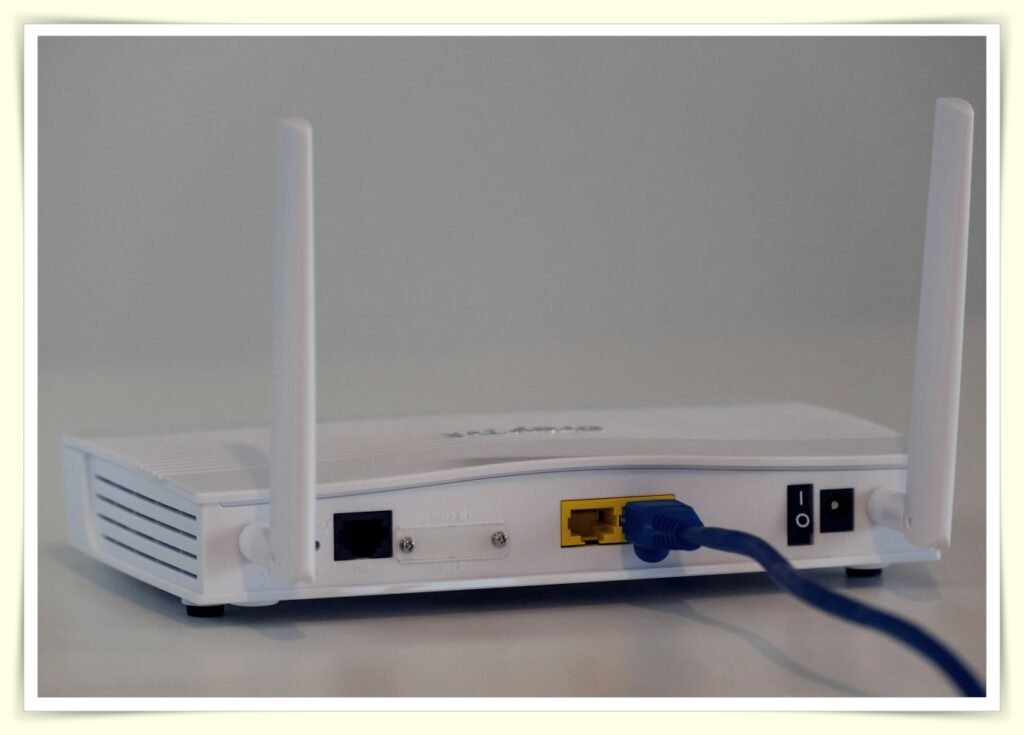
If you’re renting a modem or router from your ISP, you could be paying $10–$15 per month — $120–$180 per year — for equipment you could own outright. A good modem costs $60–$100 and a quality router runs $50–$150.
That means you’ll typically break even within 6–12 months and save money every year after that. Before buying, check your ISP’s approved device list to make sure the modem is compatible. Popular models like the Motorola MB8611 or ARRIS SURFboard work with most major ISPs and are highly reliable.
Check If You Qualify for Discount Programs
Many ISPs offer heavily discounted internet service for qualifying households. The FCC‘s Affordable Connectivity Program provided up to $30/month off internet bills for eligible low-income households. While that specific program ended, similar programs exist at the state and local level.
ISP-specific programs include:
- Comcast/Xfinity Internet Essentials: $9.95–$29.95/month for qualifying households
- AT&T Access: $10/month for participating families
- Spectrum Internet Assist: $17.99/month for eligible customers
- Cox Connect2Compete: low-cost service for families with K-12 students
Eligibility is typically based on participation in SNAP, Medicaid, SSI, or other federal assistance programs. If your household qualifies, this is the most dramatic savings possible.
Compare Competitor Plans in Your Area

Even if you’ve been with the same ISP for years, the competitive landscape in your area may have changed. New providers enter markets, fiber internet continues to expand, and cable companies frequently run promotions to win back customers.
Use tools like BroadbandNow, AllConnect, or your zip code search on major ISP websites to see all available options. When comparing, look at:
- The price after the promotional period (usually 12–24 months)
- Contract requirements and early termination fees
- Required equipment and installation fees
- Data caps and overage charges
- Customer service ratings in your area
Switching providers can save $25–$50/month, especially if you’re willing to take a promotional deal. Just read the fine print so you know what the bill looks like in year two.
Bundle Strategically — or Unbundle
ISPs love to sell bundles, but bundles only save money when you actually use all the services. If you’re paying for a triple-play bundle (internet + TV + phone) but barely use the cable TV, you could save $40–$60/month by cutting the TV portion and streaming instead.
On the other hand, if you have separate bills for internet, streaming services, and a landline you actually use, bundling might make sense. Run the math on your specific situation before deciding either way.
Frequently Asked Questions
Q: How often should I negotiate my internet bill?
Every 12 months is a solid strategy. Set a calendar reminder for when your current promotion expires and call before the rate increases. Many customers successfully negotiate a new promotional rate every year, essentially never paying full price. Even if you can only get a 6-month deal, that’s still real savings. The key is being proactive rather than waiting for the bill to jump. Or let Rocket Money negotiate your internet bill for you automatically.
Q: What speed do I actually need for my household?
A good rule of thumb: plan for 25 Mbps per person in the household who is actively online simultaneously. For a family of four where everyone might be streaming at once, 100–200 Mbps is typically more than enough. For a single person or couple, even a 100 Mbps plan is usually overkill. If you regularly work from home with video calls plus heavy streaming, 300–400 Mbps gives you comfortable headroom.
Q: Is fiber internet worth switching to even if it costs more?
In most cases, yes — especially if you work from home, have multiple heavy users, or frequently experience buffering and slowdowns. Fiber offers symmetrical upload/download speeds and much greater reliability. The price difference between fiber and cable has narrowed significantly in recent years, and many fiber providers offer competitive introductory rates. If fiber is available in your area, it’s worth getting a quote.
Lower Your Internet Bill Starting Today
You’ve been overpaying for internet, and now you know exactly what to do about it. Start with the easiest win: call your ISP today and ask for a better rate. Spend 20 minutes on that call and you could be saving $240 or more over the next 12 months. Then check if you’re renting equipment you could own, compare local competitor plans, and see if you qualify for any discount programs.
Every dollar you save on recurring bills is a dollar you keep permanently — month after month, year after year. Your internet bill is one of the most negotiable expenses in your budget. Take advantage of that. Combine these tips with our guide on how to cut monthly expenses for maximum savings.