
How to Save Money on Gas and Utilities: Practical Strategies to Lower Your Monthly Bills. Gas and utility bills are two of the most frustrating expenses in a household budget. Unlike a subscription you can cancel or a restaurant habit you can break, you need gas to drive and energy to keep the lights on. They feel non-negotiable — and to a large extent, they are. But “non-negotiable” doesn’t mean “uncontrollable.”
The average American household spends about $2,000–$3,000 per year on electricity and natural gas alone, plus another $2,000–$4,000 on gasoline depending on driving habits and vehicle fuel efficiency. Combined, that’s $4,000–$7,000 that most people treat as a fixed cost. With the right strategies, you can cut these bills by 20–40% without sacrificing comfort or convenience.
How to Save Money on Gas at the Pump
The single most impactful thing you can do to spend less on gas is to use a gas price comparison app before every fill-up. GasBuddy shows real-time prices at every station near you, and prices can vary by 20–40 cents per gallon within a two-mile radius. On a 15-gallon fill-up, that’s a $3–$6 difference — not massive, but over 12 months of weekly fill-ups, that’s $150–$300 in savings. For even more gas saving tips, read our full guide on how to save money on gas every week.
Use a cash back app on top of price comparison. Upside (formerly GetUpside) offers 10–25 cents per gallon cash back at participating stations. Combine Upside with GasBuddy to find the cheapest station that also has a cash back offer, and you’re double-dipping on savings.
Pay with the right credit card. Several credit cards offer 3–5% cash back on gas station purchases. The Citi Custom Cash card offers 5% on your top spending category, which for many people is gas. The Blue Cash Preferred from American Express offers 3% at gas stations. On $200/month in gas spending, a 4% card saves $96/year — effortlessly.
Change your driving habits. Aggressive acceleration, hard braking, and highway speeds above 65 mph all significantly reduce fuel efficiency. According to the Department of Energy, fuel efficiency drops by up to 30% when driving at 80 mph versus 55 mph. Maintaining a steady speed (using cruise control on highways), anticipating stops and coasting to slow down, and proper tire inflation (underinflated tires reduce efficiency by up to 3%) can improve your MPG by 10–20%.
Combine errands into fewer trips. Each cold engine start burns more fuel than a warm one. Planning your errands as a loop — grocery store, pharmacy, and bank in one trip — rather than multiple separate outings reduces fuel consumption meaningfully for people who run lots of daily errands.
Reduce Your Electricity Bill Without Sacrificing Comfort
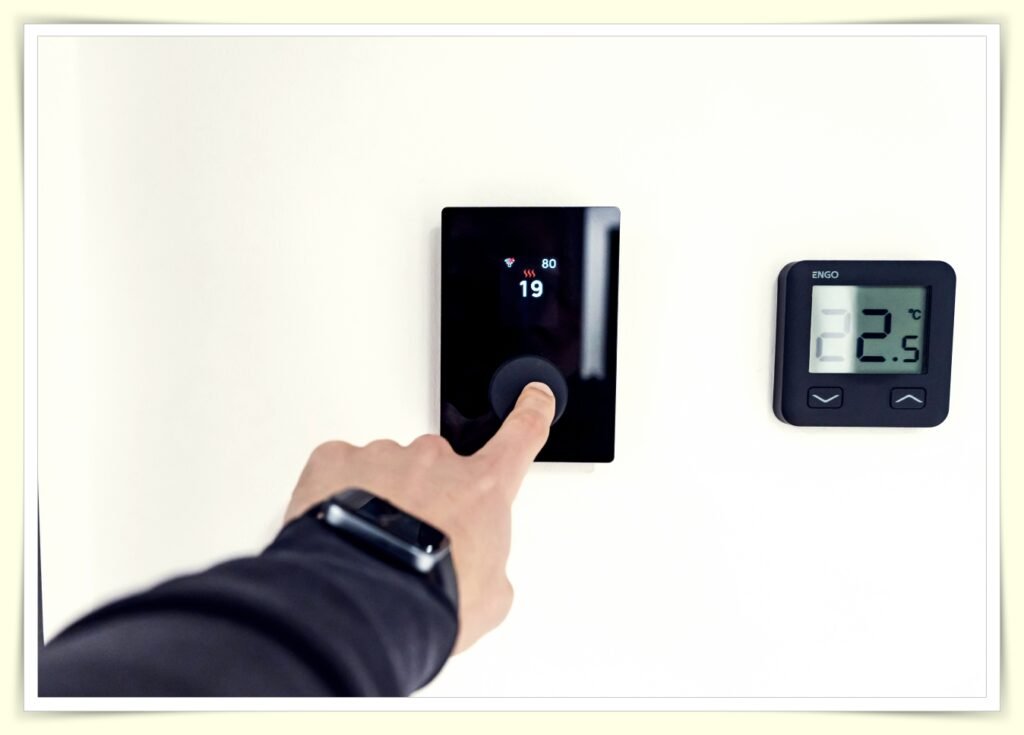
Heating and cooling account for roughly 50% of a home’s energy bill in most US climates. Optimizing your thermostat settings is the highest-leverage thing you can do for your electricity costs. Read our detailed guide on how to lower your electric bill for even more savings strategies.
A programmable or smart thermostat pays for itself quickly. According to the EPA, you can save about 10% per year on heating and cooling by turning your thermostat back 7–10 degrees Fahrenheit for 8 hours per day. A Nest or Ecobee thermostat ($100–$150) can automate this entirely — lowering the temperature while you’re at work and warming up before you return. If your current bill averages $150/month, that 10% savings is $180/year, meaning the thermostat pays for itself in under a year.
Set your thermostat to 68°F in winter (not 72°F) and 76–78°F in summer (not 72°F). Each degree of difference adds about 1–3% to your heating or cooling costs. This single habit change costs nothing.
Switch to LED lighting throughout your home. LED bulbs use 75% less energy than incandescent bulbs and last 15–25 times longer. If you’re still using incandescent or CFL bulbs, replacing them with LEDs is a one-time investment of $30–$60 that will reduce your lighting costs for years. Lighting accounts for about 15% of home energy use.
Identify and eliminate “energy vampires” — devices that draw power even when turned off or in standby mode. TVs, gaming consoles, cable boxes, desktop computers, and phone chargers all consume passive electricity when plugged in but idle. Using smart power strips that cut power to devices when not in use, or simply unplugging electronics when not actively using them, can save $100–$200/year.
Lower Your Natural Gas and Heating Bill
If your home uses natural gas for heating, water heating, or cooking, there are specific strategies to reduce your gas consumption:
- Lower your water heater temperature: Most water heaters are factory-set at 140°F; lowering it to 120°F reduces energy use by 6–10% and prevents scalding
- Insulate your water heater: Adding a water heater blanket ($20–$40) to an older or un-insulated tank can reduce standby heat loss by 25–45%
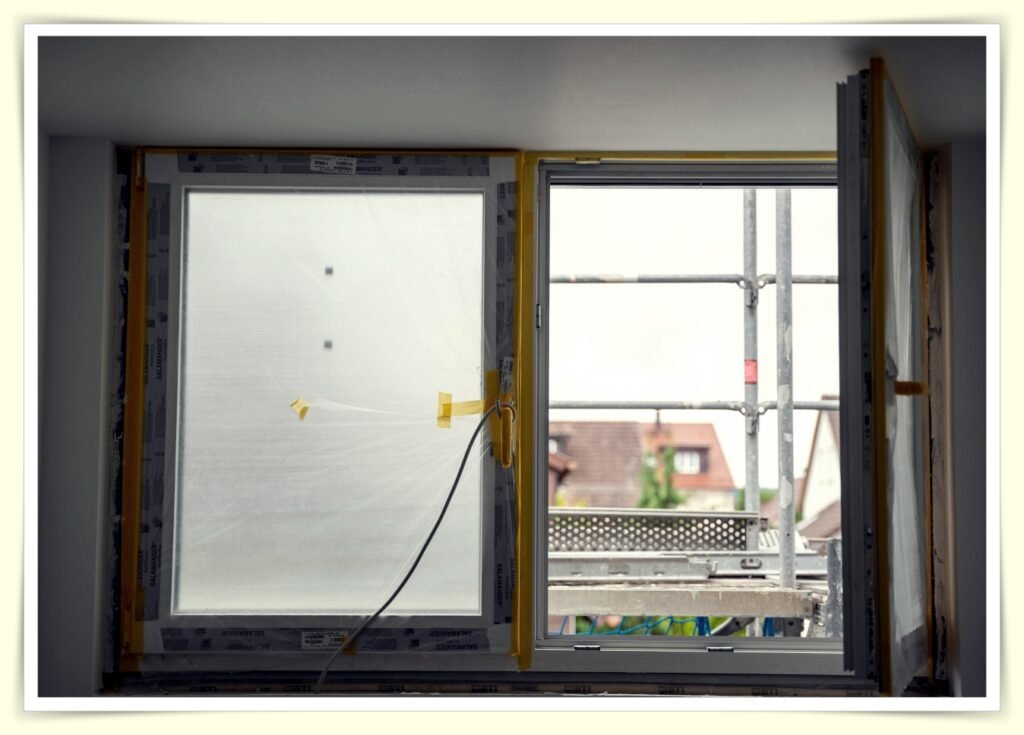
- Seal air leaks: Gaps around windows, doors, and electrical outlets are the biggest source of wasted heating energy; weather stripping and caulk are cheap fixes that can cut heating costs by 10–20%
- Get a furnace inspection: A poorly maintained furnace runs less efficiently; annual professional tune-ups ($80–$150) improve efficiency and extend equipment life
- Use ceiling fans in reverse: In winter, set ceiling fans to rotate clockwise at low speed to push warm air down from the ceiling, reducing how hard your furnace works
Negotiate Your Utility Bills and Find Available Credits
Many people don’t realize their utility bills can be reduced through programs and negotiation. Here’s what to look for:
Low-income energy assistance programs: The federal Low Income Home Energy Assistance Program (LIHEAP) provides energy bill assistance to qualifying households. Income limits vary by state, but if you’re near or below 150% of the federal poverty level, you may qualify for direct bill assistance.
Utility company budget billing: Most utilities offer a “budget billing” or “average payment plan” that spreads your annual energy costs into equal monthly payments. This doesn’t save you money overall, but it eliminates the shock of a $400 December heating bill, making budgeting much easier.
Energy efficiency rebates: Many utility companies, and several federal programs through the Inflation Reduction Act, offer rebates and tax credits for energy-efficient upgrades. Installing a new heat pump, upgrading insulation, adding solar panels, or replacing old appliances can all qualify for rebates of hundreds to thousands of dollars. Check your utility company’s website and energystar.gov for current programs in your area.
The 15-Minute Home Energy Audit You Can Do Today
Before calling in a professional, do a quick self-audit of your home. Walk through each room and check:
- Windows and doors: Hold your hand near the edges on a cold or windy day — if you feel a draft, you have an air leak that’s costing you money
- Lighting: Count how many bulbs are not LED — replace them
- Thermostat: Is it programmed, or is it running at the same temperature 24/7?
- Appliances: Is your refrigerator more than 15 years old? Older models use significantly more electricity than modern ENERGY STAR appliances
- Water heater: What temperature is it set to? When did it last get flushed to remove sediment buildup?
- Plugged-in devices: How many things are plugged in but not actively in use?
Most homeowners who do this exercise identify at least 3–5 quick wins that can reduce their monthly bills by $20–$50 immediately.
Frequently Asked Questions
Q: What’s the fastest way to lower my electric bill right now?
Adjust your thermostat by 3–5 degrees immediately — this alone can cut your heating or cooling bill by 5–15%. Next, check for devices plugged in and drawing standby power (especially TVs, gaming consoles, and desktop computers) and unplug what you can. If you haven’t already, switch any remaining incandescent bulbs to LED. These three steps cost nothing to nearly nothing and can show results on your very next bill.
Q: Is it worth buying a programmable thermostat to save on energy costs?
Almost always yes. A programmable thermostat typically costs $25–$50 for a basic model, while smart thermostats like Nest or Ecobee run $130–$250. The EPA estimates average savings of $180/year on heating and cooling, meaning even the more expensive smart thermostat pays for itself within two years. Most utility companies also offer rebates of $50–$100 for smart thermostat installation, which can bring the effective cost near zero.
Q: What’s the best credit card for gas savings?
The best gas credit card depends on your spending patterns. The Citi Custom Cash Card offers 5% on your top spending category (which would be gas if that’s your highest expense). The Blue Cash Preferred from American Express offers 3% at gas stations. The Sam’s Club Mastercard and Costco Visa both offer 4–5% on gas for members. Whichever card you choose, always pay the balance in full monthly — carrying a balance with 20%+ APR will erase any cash back savings quickly.
Final Thoughts
Gas and utility costs are controllable — but you have to engage with them actively rather than just paying whatever bill arrives. The combination of smarter driving habits, thermostat optimization, LED upgrades, and app-based gas savings can realistically cut your combined annual spend by $500–$1,500.
Pick two or three strategies from this list and implement them this week. Adjust your thermostat today. Download GasBuddy before your next fill-up. Swap out five light bulbs. Small, free changes compound over months into meaningful savings.