
How to Save Money for a Vacation on a Budget: Your Step-by-Step Plan to Travel Without Debt. You deserve a vacation. Not a someday-maybe vacation — an actual trip that you’ve planned, saved for, and can fully enjoy without watching your bank account in panic mode the whole time. The problem most people face isn’t that they can’t afford to travel. It’s that they haven’t built a system to save for it.
This guide gives you that system. Whether your dream trip costs $800 or $5,000, the strategy is the same: set a clear goal, automate the savings, and cut costs both before and during the trip. Let’s break it down.
Step 1: Set a Real Budget for Your Trip
Most people skip this step and vaguely hope they’ll have enough money saved up by departure. That’s how vacations end up on credit cards. Before you save a single dollar, you need to know your target number.
Add up the realistic costs for your trip:
- Flights or transportation: Search Google Flights now — even if your trip is months away — to get a realistic price range
- Accommodation: Check Airbnb, Booking.com, and hotel sites for your dates and destination
- Food: Budget $50–$100/day per person for a mid-range trip in the US; $40–$80/day in Southeast Asia or Eastern Europe; $100–$150/day in Western Europe or Japan
- Activities and entertainment: Look up ticket prices for must-do experiences at your destination
- Transportation at destination: Rental car, transit passes, or rideshares
- Travel insurance: Typically $50–$150 for a one-week trip — worth it for international travel
- Buffer fund: Add 15% to your total for unexpected expenses
Example budget for a 7-day US road trip for two people:
- Gas: $200
- Hotels or Airbnb (7 nights x $120): $840
- Food ($80/day for 2): $560
- Activities: $300
- Buffer (15%): $285
- Total: approximately $2,185
Once you have your number, you know exactly what you’re saving toward. That clarity is everything.
Step 2: Create a Vacation Sinking Fund

A sinking fund is a dedicated savings account where you put money each month for a specific goal. It’s one of the most practical tools in personal finance — and it works perfectly for vacation savings.
Open a separate high-yield savings account (HYSA) specifically for your trip. Name it after the destination — “Hawaii 2026” or “Europe Trip” — because named accounts are less likely to be raided for other expenses. Banks like Ally and SoFi allow you to create multiple savings buckets within one account at no charge.
Calculate your monthly savings target:
- Vacation cost: $2,185
- Months until trip: 8 months
- Monthly savings needed: $2,185 ÷ 8 = ~$274/month
Set up an automatic transfer of that exact amount on the day after each payday. Once it’s automated, you won’t have to think about it — the fund grows while you live your normal life. By departure day, your vacation is fully paid for before you even step on the plane.
Step 3: Cut Costs to Fund Your Travel Faster
If $274/month feels like a stretch right now, the answer is to find it by trimming existing expenses. Here are the most effective cuts that real people use to accelerate vacation savings:
Audit your subscriptions. The average American spends $219/month on subscriptions — streaming, apps, gym memberships, meal kits, Amazon Prime, news sites. Review your bank statement line by line. Cancel anything you haven’t used in the past 30 days. Even cutting $50–$80/month frees up significant vacation savings.
Cut dining out by two meals per week. Eating at home instead of a $15–$25 restaurant meal twice a week saves $120–$200/month. Cook one big batch meal on Sunday and use it for weekday lunches. That alone adds up to $1,440–$2,400 over a year.
Pause impulse shopping. For 30 days, implement a 48-hour rule: if you want to buy something that isn’t essential, wait 48 hours. Most impulse buys feel unnecessary after the urge passes. Direct any money you would have spent toward your vacation fund instead.
Sell 10 things you no longer use. Go through your closet, garage, and storage. List items on Facebook Marketplace or eBay. Most households have $200–$500 worth of sellable items gathering dust. This is free vacation money waiting to be unlocked.
Step 4: Use Points, Miles, and Cashback Strategically
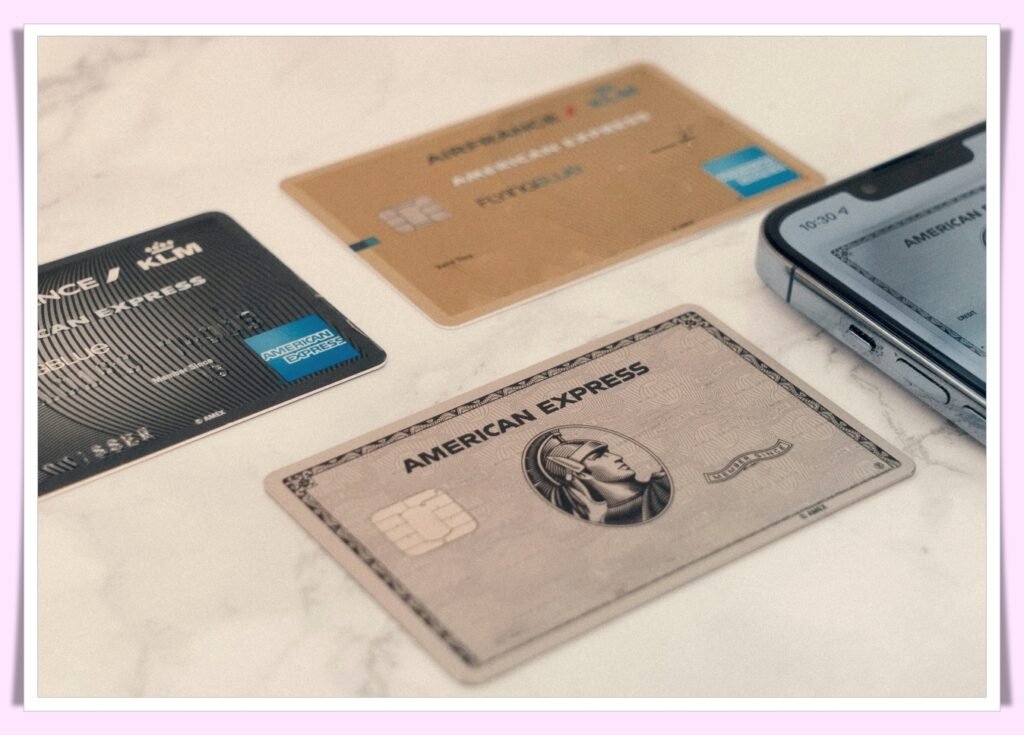
Credit card rewards — used responsibly — can cut your vacation costs dramatically. The key word is responsibly: points and miles only save you money if you pay your balance in full every month. If you’re carrying a balance at 20%+ interest, the rewards are not worth it.
If you can pay in full, here’s how to maximize rewards for travel:
Travel credit cards: Cards like the Chase Sapphire Preferred, Capital One Venture X, or American Express Gold earn points on everyday purchases that can be redeemed for flights and hotels. Many have welcome bonuses worth $500–$1,000 in travel if you meet the minimum spend requirement.
Cashback cards: If points feel complicated, a simple 2% cashback card on all purchases (like the Citi Double Cash or Fidelity Rewards Visa) gives you real dollars back. Spend $2,000/month? That’s $40/month or $480/year — enough to cover a flight.
Hotel and airline loyalty programs: Sign up for free. Even without a credit card, booking directly through a hotel or airline’s loyalty program earns points toward free nights and flights. If you have a preferred airline or hotel brand, consistently use them to accumulate status faster.
Book flights on the right days. According to multiple studies, the cheapest days to fly are typically Tuesday, Wednesday, and Saturday. Early morning and late-night flights are also consistently cheaper. Set a price alert on Google Flights for your destination and book when the price drops to your target range.
Step 5: Save Money During the Trip Itself
The saving doesn’t stop once you book. Smart choices during your trip can save you $200–$600 without sacrificing the experience:
- Eat where locals eat — avoid tourist-trap restaurants within 2 blocks of major attractions, which can be 30–50% more expensive
- Cook or prep some meals if staying in an Airbnb — even 2–3 breakfasts from a grocery store saves $30–$60
- Use public transit instead of taxis or rideshares — a city transit pass often costs $10–$30 vs. $15–$30 per rideshare trip
- Visit free attractions — most cities have free museums, parks, festivals, and neighborhoods worth exploring
- Use apps like TripAdvisor or Viator to find discounted tours and activities
- Avoid checked baggage fees by packing carry-on only — saves $35–$70 each way on most budget airlines
- Use a no-foreign-transaction-fee debit or credit card abroad — saves 1–3% on every purchase
Frequently Asked Questions
Q: How do I save for a vacation when I’m already living paycheck to paycheck?
Start smaller than you think you need to. Set up a $25/week automatic transfer to a dedicated vacation savings account — that’s $1,300/year. Then look for one place to cut spending and redirect it: one restaurant meal per week, one subscription, or a brown-bag lunch at work twice a week. Many people find they can free up $50–$100/month without feeling deprived. Pair that with selling a few things or one weekend of freelance work, and a $1,000–$1,500 vacation becomes achievable in under a year.
Q: Is it better to save cash for a vacation or use a travel credit card and pay it off monthly?
Both, ideally. Save cash in a dedicated sinking fund so you arrive at your trip fully funded. Then use a travel credit card for the actual purchases during the trip to earn points — and pay the balance with the cash you already saved. This approach gives you the reward points without any credit card interest. Never charge vacation expenses to a card without cash to back it up — a vacation that takes 12 months to pay off at 20% APR costs far more than the sticker price.
Q: What’s a realistic vacation budget for someone earning $40,000–$50,000 a year?
At that income level, a realistic annual vacation budget is 2–4% of take-home pay. On $40,000/year (roughly $2,700–$3,000/month after tax), that’s about $650–$1,440 per year for travel. This is enough for: a 4-day domestic road trip for two ($600–$900), a solo trip to an affordable international destination like Mexico or Southeast Asia ($800–$1,200), or a long weekend in a nearby city ($300–$600). Focus on one well-planned trip per year rather than multiple expensive trips that go on credit cards.

Book the Trip, Build the Fund, and Go
Vacations don’t have to be a financial splurge that leaves you stressed for months afterward. With a sinking fund, automated savings, and a few strategic cuts, most people can save for a meaningful trip in 6–12 months without touching their regular savings or going into debt.
Start today: pick a destination, look up realistic costs, and open a dedicated savings account for your trip. Set up one automatic transfer, even if it’s just $25. Then commit to one expense cut this week — a subscription you don’t need, a few lunches at home — and redirect that money.
Your next trip is closer than you think. You just have to give it a savings account and a departure date.