
How to Create a Family Budget Step by Step. Sitting down to figure out where your family’s money goes can feel overwhelming. Between groceries, mortgage or rent, kids’ activities, utilities, and everything in between, it’s easy to feel like you’re drowning in numbers. But creating a family budget doesn’t have to be complicated. In fact, once you have a system in place, you’ll wonder how you ever managed without one.
A family budget is simply a plan that tells your money where to go before the month begins. It accounts for everyone’s needs, tracks your spending, and helps you make real progress toward goals — whether that’s a vacation, paying off debt, or building a solid emergency fund. Let’s break it down step by step.
Step 1: Calculate Your Total Monthly Income
Before you can budget anything, you need to know exactly how much money is coming in every month. Add up all sources of income for every member of the household:
- Primary job take-home pay (after taxes)
- Part-time or side hustle income
- Child support or alimony received
- Government benefits or social security
- Rental income or investment dividends
If your income varies month to month, use the average of the last 3–6 months or use your lowest expected month as the baseline. This gives you a conservative figure to plan around. Most families find their actual take-home income falls between $3,500 and $7,000 per month depending on household size and location.
Step 2: List Every Fixed and Variable Expense

Fixed expenses are the same amount every month — mortgage or rent, car payments, insurance premiums, and loan payments. Variable expenses change month to month — groceries, gas, dining out, entertainment, and clothing. List both categories separately.
Here’s a quick breakdown of common family budget categories:
- Housing (rent/mortgage): 25–35% of income
- Food (groceries + dining): 10–15% of income
- Transportation: 10–15% of income
- Utilities (electric, water, internet, phone): 5–10%
- Insurance (health, auto, life): 5–10%
- Childcare and education: varies widely
- Entertainment and personal spending: 5–10%
- Savings and debt payoff: 10–20%
Go through your bank statements from the past 2–3 months to capture everything. Most families underestimate their variable expenses by $200–$400 per month because small purchases add up quickly.
Step 3: Set Clear Family Financial Goals

A budget without goals is just a spreadsheet. Before you start allocating money, sit down with your partner and talk about what you actually want to achieve financially. Goals give your budget purpose and make it easier to say no to impulse spending.
Consider short-term goals (within 1 year), mid-term goals (1–3 years), and long-term goals (5+ years):
- Short-term: Build a $1,000 starter emergency fund, pay off a credit card, save for a family vacation
- Mid-term: Save for a down payment, pay off a car, fund kids’ extracurricular activities
- Long-term: Pay off the mortgage early, fund college accounts, reach financial independence
Write these goals down and attach dollar amounts and deadlines to each one. If you want to save $3,600 for a vacation in 12 months, that’s $300/month to budget.
Step 4: Choose a Budgeting Method That Works for Your Family
There’s no one-size-fits-all budget. The key is finding a system your whole family will actually stick with. Here are the most popular methods:
The 50/30/20 Rule splits income into 50% for needs, 30% for wants, and 20% for savings and debt. It’s simple and flexible — great for families just starting out.
Zero-Based Budgeting gives every dollar a job so your income minus expenses equals zero. It requires more detail but is incredibly effective for controlling spending. Tools like EveryDollar make this easy.
The Envelope System uses cash divided into physical envelopes for each spending category. When the envelope is empty, spending stops. This works exceptionally well for variable expenses like groceries and entertainment.
The majority of families find that a hybrid approach — using an app for tracking plus intentional cash envelopes for problem categories — gives the best results.
Step 5: Assign Dollar Amounts to Every Category
Now it’s time to actually build the budget. Using your income total and expense list, assign a specific dollar amount to each category. Start with fixed expenses first — these are non-negotiable. Then allocate money to variable expenses based on your past spending and your goals.
Here’s a sample monthly family budget for a household with $5,500 take-home income:
- Rent/Mortgage: $1,500
- Groceries: $600
- Transportation: $450
- Utilities: $300
- Insurance: $400
- Childcare: $500
- Entertainment: $200
- Clothing: $100
- Savings: $550
- Miscellaneous: $400
Adjust these numbers to match your actual life. The goal is for all the numbers to add up to your total take-home income.
Step 6: Track Spending and Adjust Monthly
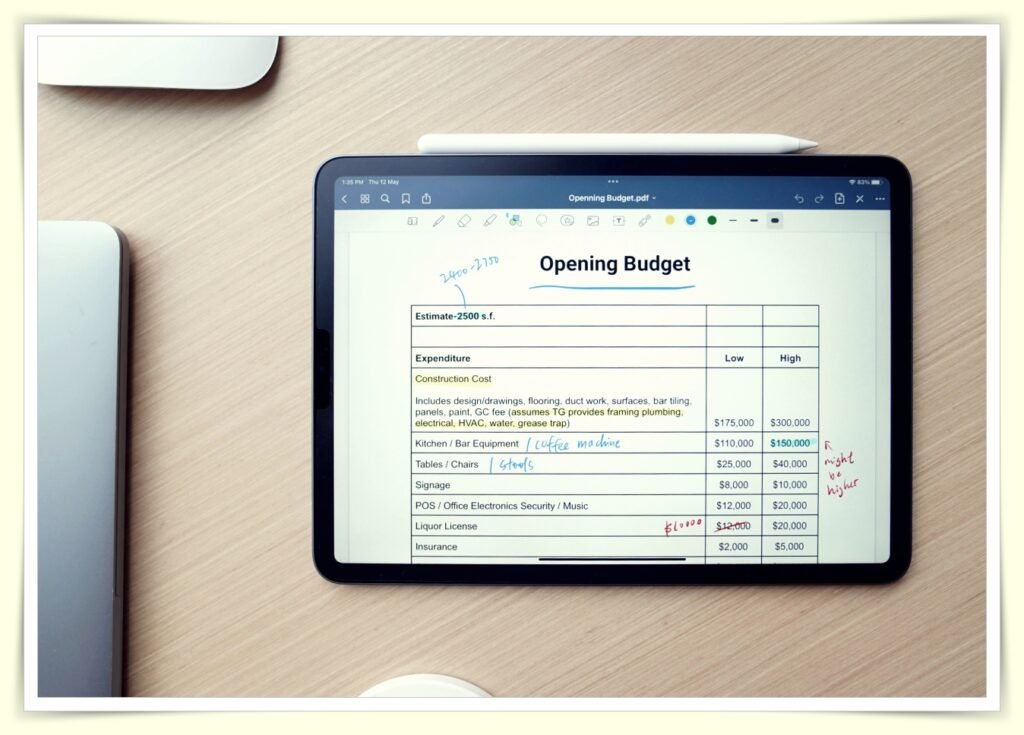
Creating the budget is just step one. Tracking your actual spending against the budget is where real change happens. Set aside 15–20 minutes at the end of each week to review transactions and make sure you’re on track.
At the end of each month, do a budget review:
- Compare actual spending to budgeted amounts in each category
- Celebrate wins (stayed under budget in groceries!)
- Identify problem areas and adjust the next month’s budget
- Update your progress on financial goals
It typically takes 2–3 months for a family budget to feel natural. Don’t give up if the first month is messy. Every month you budget is a win, even if it’s not perfect.
Frequently Asked Questions
Q: How do I get my spouse or partner on board with the family budget?
Start by having a calm, non-judgmental conversation about your shared financial goals — not about past mistakes. Frame the budget as a team tool, not a restriction. Schedule a monthly ‘money date’ to review the budget together. Give each partner a personal spending allowance within the budget so neither person feels controlled. When both people feel heard and have some financial freedom, buy-in happens naturally.
Q: What’s the best budgeting app for families?
YNAB (You Need a Budget) is widely considered the best for families who want detailed control. It’s $99/year but pays for itself quickly. For free options, EveryDollar offers a solid zero-based approach. Goodbudget works well for envelope-style budgeting. The best app is the one your family will actually use consistently.
Q: How much should a family save each month?
Financial experts recommend saving 15–20% of take-home income. For a family earning $5,000/month, that’s $750–$1,000/month. If that feels impossible right now, start with 5% and increase by 1% each quarter. Even saving $200–$300 per month builds real momentum over time. Automate the transfer so it happens before you have a chance to spend it.
Start Your Family Budget This Weekend
Creating a family budget is one of the most powerful things you can do for your household’s financial health. It reduces money stress, aligns your family around shared goals, and gives you a clear picture of your financial situation. You don’t need a fancy spreadsheet or expensive software — you just need to get started.
This weekend, carve out one hour with your partner, gather your bank statements, and work through these six steps. In 60 minutes, you’ll have a working family budget that puts you in control of your money. One month from now, you’ll be amazed at how much clarity you have — and how much easier financial decisions feel.