How to Budget for Wedding Expenses. The average American wedding costs around $30,000 — but that number masks a wide range that runs from $5,000 intimate ceremonies to $100,000+ luxury affairs. What matters isn’t how much your wedding costs relative to someone else’s, but whether you can afford it without starting your marriage in debt.
Planning a wedding budget is one of the most important financial decisions you’ll make as a couple. Done right, it ensures your celebration is joyful rather than stressful — and that you start your marriage on solid financial footing instead of drowning in debt. Here’s exactly how to do it.
Set Your Total Wedding Budget Before You Do Anything Else
The biggest budgeting mistake couples make is falling in love with a venue or booking vendors before establishing an overall budget. Once you’ve committed to a $5,000 venue, the rest of your budget gets distorted around that one decision. Always set the top-line number first.
To determine your budget, answer three questions:
- How much do you currently have saved specifically for the wedding?
- How much can you realistically save between now and the wedding date?
- Is any family contribution confirmed (not assumed) — and in what amount?
Add these three numbers together. That’s your maximum budget. Be honest about family contributions — many couples assume parents will pay more than they actually intend to contribute. Have direct, specific conversations before counting on any external funding. The same way you’d save for a big trip, check out how to save money for a vacation on a budget.
Financial experts recommend not financing a wedding on credit cards unless you have a concrete plan to pay them off immediately after. Starting a marriage with $15,000 in wedding debt at 20% APR means paying $250+/month for years just to eliminate the party cost.
Understand How Costs Break Down

Understanding the typical cost breakdown helps you allocate your budget wisely:
- Venue: 25–30% of total budget (for a $25,000 wedding, that’s $6,250–$7,500)
- Catering and bar: 30–35% (largest single expense category)
- Photography and videography: 10–12%
- Music/entertainment: 5–8%
- Flowers and décor: 8–10%
- Wedding attire: 5–8%
- Invitations, stationery, favors: 3–5%
- Hair, makeup, transportation: 3–5%
- Officiant and ceremony fees: 1–3%
The biggest budget lever is guest count. Catering costs run $75–$150+ per person, so cutting from 150 guests to 80 guests can save $5,250–$10,500 on food alone. Every vendor you hire also typically charges less for smaller weddings.
Prioritize What Actually Matters to You
You can have a beautiful, memorable wedding on almost any budget — but you can’t have everything at every price point. The key is deciding, as a couple, what two or three elements matter most to you, and then allocating a bigger portion of your budget there while cutting significantly elsewhere.
Common priority frameworks:
- Food and ambiance people: splurge on venue and catering, simplify décor with greenery and candles, skip videographer
- Photography-first couples: hire the best photographer you can afford, use a DJ instead of a band, choose a simpler cake
- Intimate experience people: keep guest count under 50, use a non-traditional venue (park, backyard, restaurant), invest in exceptional food and an intimate atmosphere
When couples try to have everything — best venue, best food, best photographer, 200 guests, elaborate florals — they almost always overspend. Intentional trade-offs produce both better financial outcomes and often more memorable celebrations.
Practical Ways to Cut Wedding Costs Significantly
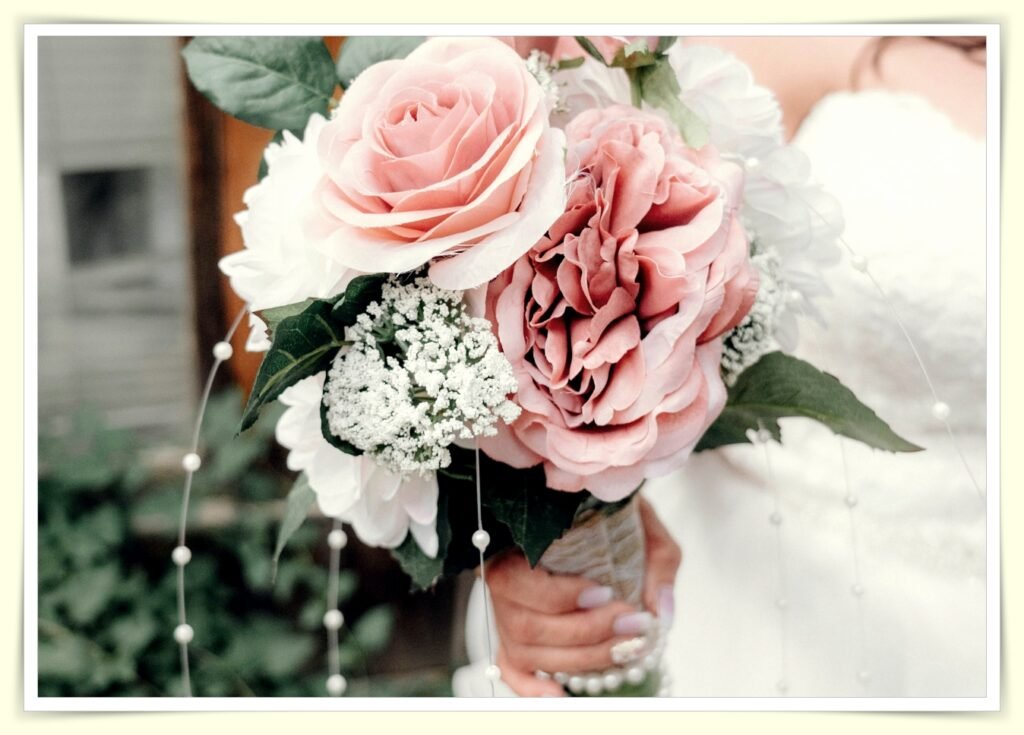
These strategies can reduce your total wedding cost by $3,000–$10,000 without sacrificing what matters most:
- Choose an off-peak day: Friday or Sunday weddings cost 20–30% less than Saturday events. Sunday brunch weddings are particularly affordable and have become increasingly popular
- Book a non-traditional venue: parks, art galleries, historic homes, and brewery event spaces often cost 40–60% less than dedicated wedding venues
- Limit the open bar: a beer and wine bar costs 40–60% less than full open bar. Or offer a champagne toast plus soft drinks at a reception with a signature cocktail
- Hire emerging photographers: photographers building their portfolio often charge $1,500–$2,500 compared to $3,500–$6,000 for established names. Review full galleries carefully before booking
- Simplify florals: swap elaborate flower arrangements for eucalyptus greenery, potted plants, and candles. DIY centerpieces with wholesale flowers from Costco or a local market
- Send digital invitations or use simple printed designs from Canva. Also use Rakuten to earn cashback on wedding purchases like décor, favors, and attire bought online.
- Skip the wedding cake for a dessert table — a variety of cookies, cupcakes, and a small cutting cake often costs 50% less
Build a Wedding Budget Spreadsheet and Track Every Expense
A wedding budget spreadsheet is non-negotiable. ools like Zola make it easy to track your wedding budget, vendor payments, and checklist all in one place. Create a spreadsheet with every expense category, your budgeted amount for each, the actual quoted amount, and the amount paid. Update it every time you make a purchase or receive an invoice.
Always add a 10–15% buffer to your total budget for unexpected expenses — and expect to use it. Common surprise costs include:
- Vendor gratuities (typically $50–$200 per vendor)
- Dress alterations ($150–$600)
- Marriage license fees ($25–$100 depending on state)
- Day-of transportation for the wedding party
- Rehearsal dinner costs (traditionally paid by groom’s family but often split today)
- Hotel room blocks for out-of-town guests — typically required by hotels but not always a direct cost to you
Save for the Wedding Without Derailing Other Goals
If your wedding is 18 months away and your budget is $20,000, you need to save roughly $1,100/month. That’s significant — and it needs to happen alongside your other financial goals like your emergency fund and retirement savings.
Open a dedicated high-yield savings account specifically for the wedding. Keep it completely separate from your regular savings. Give the account a nickname like ‘Our Wedding Fund’ in your banking app — behavioral research shows named accounts lead to better savings outcomes.
Consider a short-term CD ladder for wedding savings if your wedding is more than 12 months away — you can earn 4–5% APY with minimal risk while keeping funds accessible.
Frequently Asked Questions
Q: What’s a realistic wedding budget for a 100-person wedding?
A 100-person wedding typically runs $15,000–$35,000 depending on your city, day of the week, and vendor quality. In major metros like New York or San Francisco, even a modest 100-person wedding can easily reach $40,000–$50,000. In mid-size cities and suburbs, $18,000–$25,000 can produce a genuinely beautiful event. The key levers are catering cost per person and venue fee — together they typically represent 55–65% of total wedding cost.
Q: Should we take out a personal loan to pay for the wedding?
Generally, no. Personal loans for weddings typically come with 10–20% APR and create debt that follows you into your marriage. A better approach: adjust your wedding scale to match what you can actually save, delay the wedding 6–12 months to save more, or reduce the guest list significantly. If you must finance any portion, look for 0% APR promotional financing through a credit card and pay it off before the promotional period ends.
Q: How do we handle family members who want to contribute but also want to control the wedding?
This is one of the most common wedding planning stresses. The general guidance: money with strings attached is not a gift, it’s a purchase order. Have an upfront conversation with contributing family members about whether their money comes with input on decisions. If it does, decide as a couple whether you’re comfortable with that trade-off. Many couples find financial independence — paying for the wedding themselves — leads to a much less stressful planning process, even if it means a smaller celebration.
Plan a Wedding That Starts Your Marriage Right

Your wedding day matters, but what comes after it matters infinitely more. A beautiful $15,000 wedding followed by years of debt-free marriage is a far better outcome than a $45,000 extravaganza followed by financial strain. Focus on what actually creates a meaningful celebration — your guests, the atmosphere, the vows — not on what’s most expensive. After the wedding, make sure to rebuild your emergency fund right away.
Start your wedding budget spreadsheet today. Write down your total available funds, have the family contribution conversation, and begin researching what venues and vendors cost in your area. Knowledge is power in wedding planning, and couples who engage in the numbers early almost always spend less and stress less.