
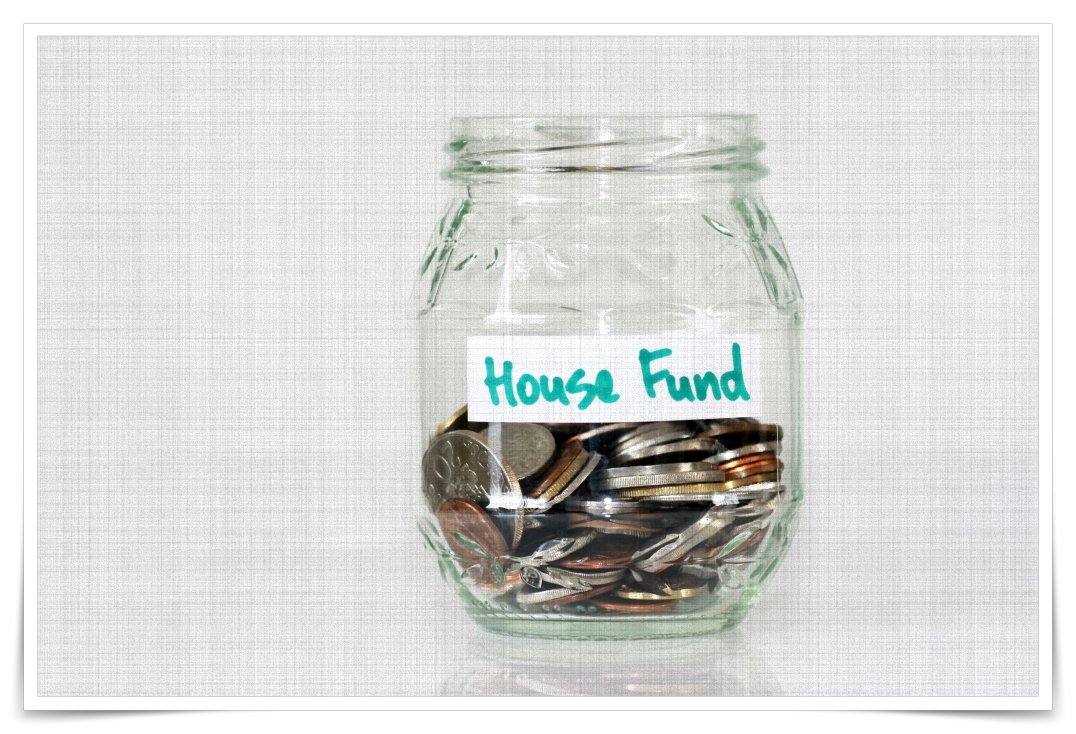

How to Create an Emergency Fund from Scratch. It is a beautiful Tuesday morning, you are holding your overpriced iced coffee, and everything is fine. Then, you get into your car, turn the key, and the engine makes a sound like a blender crushing rocks.
Suddenly, your peaceful morning turns into a spiral of financial anxiety. The mechanic calls an hour later and quotes you $800 for a repair you cannot even pronounce. For most Millennials and Gen Z, this scenario is a total nightmare.
If your first instinct is to mentally calculate which credit card has enough available balance, you are definitely not alone. Relying on credit for surprises is a stressful cycle that keeps you trapped in debt.
You cannot predict when life is going to throw a curveball at you. Appliances break, pets eat things they shouldn’t, and company layoffs happen completely out of nowhere.
That is why you need a financial safety net. Today, we are going to break down exactly How to Create an Emergency Fund from Scratch, so you can stop stressing and start living with true peace of mind.
What Actually Counts as a Financial Emergency?
Before we start saving money, we need to establish some ground rules. An emergency fund is not a piggy bank for things you suddenly decide you want.
It is incredibly tempting to dip into your savings when a music festival lineup drops or your favorite brand has a massive sale. But doing so completely defeats the purpose of the fund.
A true financial emergency has three distinct characteristics: it is urgent, it is unexpected, and it is absolutely necessary.
If your laptop dies and you need it to work your remote job, that is an emergency. If your dog swallows a sock and needs immediate surgery, that is an emergency.
If you get invited on a last-minute trip to Mexico, that is a luxury. Keep a separate savings account for your fun goals, and strictly protect your emergency cash for the serious stuff.
How to Create an Emergency Fund from Scratch Step-by-Step
Building a massive savings account feels daunting, especially if you feel like you are living paycheck to paycheck. The trick is to break the process down into manageable, bite-sized phases.
Phase 1: The $1,000 Starter Buffer
Do not worry about saving three months of living expenses right away. Your very first goal is just to save $1,000 as fast as humanly possible. This small buffer will catch about 80% of minor everyday emergencies without you needing a credit card.
Phase 2: Calculate Your Survival Number
Once you have your starter buffer, figure out what it costs you to simply survive for one month. Add up your rent, basic groceries, utilities, minimum debt payments, and essential transportation. Do not include dining out or subscription boxes.
Phase 3: Aim for Three to Six Months
Multiply your one-month survival number by three. That is your ultimate emergency fund target. If you are a freelancer or work in an industry with high turnover, you might want to aim for six months of expenses to be safe.
Phase 4: Automate Everything
Willpower is exhausting, so take it out of the equation. Set up an automatic transfer from your checking account to your savings account the exact day you get paid. If you never see the money, you will not be tempted to spend it.

Where to Find the Extra Cash to Save
You might be thinking, “This sounds great, but I have absolutely zero dollars left over at the end of the month.” Finding extra cash usually requires a little bit of creative problem-solving.
First, do a ruthless audit of your recurring monthly expenses. Cancel the streaming services you haven’t watched in weeks, pause the gym membership you aren’t using, and delete the food delivery apps from your phone.
Next, look around your apartment. You likely have a closet full of clothes you no longer wear or tech gadgets collecting dust. Spend a weekend listing those items on apps like Poshmark, Depop, or Facebook Marketplace.
Finally, consider a temporary side hustle just to fund your starter buffer. Driving for a rideshare app, walking dogs on Rover, or picking up a few freelance gigs can quickly generate the initial $1,000 you need to get the ball rolling.
Real-Life Examples: Let’s Run the Numbers
Let’s look at two totally realistic scenarios to show you how everyday people can build their safety nets from scratch without feeling totally deprived.
Example 1: Marcus, a 25-year-old graphic designer
Marcus brings home $3,800 a month. His essential “survival” expenses (rent, utilities, groceries, car payment) add up to $2,200 a month.
- Survival Number: $2,200
- Target Emergency Fund (3 months): $6,600
- Current Savings: $0
Marcus decides to start aggressively. He sells an old gaming console for $300 and cuts his weekend dining budget by $150 a month. He sets up an automatic transfer of $250 every two weeks on payday. Within two months, he hits his $1,000 starter goal. In just over a year, he fully funds his $6,600 target.
Example 2: Sarah and David, married 28-year-olds
Sarah and David have a combined take-home pay of $7,000 a month. Their combined survival expenses (mortgage, groceries, utilities, student loans) are $4,000 a month.
- Survival Number: $4,000
- Target Emergency Fund (3 months): $12,000
- Current Savings: $1,500
They already have a small buffer, so they focus on the larger target. They decide to direct their entire annual tax refund of $2,500 straight into their emergency fund. Then, they automate $500 a month into their savings. It takes them less than a year and a half to reach total financial peace of mind.

Top 5 Free Budgeting Apps to Keep You on Track
Tracking your expenses manually can get old very fast. Luckily, there are highly effective free budgeting apps that can help you find extra money to funnel into your new emergency fund.
Here are five of the best free budgeting apps available right now, comparing their top features:
| Budgeting App | Best Feature | Why It Works for You |
| PocketGuard | “In My Pocket” Tracker | Tells you exactly how much disposable cash is safe to spend today after accounting for bills and savings goals. |
| Rocket Money | Subscription Cancellation | Automatically finds all your recurring charges and helps you cancel forgotten subscriptions to free up cash. |
| EveryDollar | Zero-Based Budgeting | Forces you to give every single dollar a job before the month starts, preventing mindless spending. |
| Goodbudget | Digital Envelopes | Uses the old-school envelope method but on your phone, perfect if you need strict limits on categories like groceries. |
| Honeydue | Couples Money Management | Allows you and your partner to link accounts, track shared expenses, and chat about specific transactions. |
PocketGuard is phenomenal if you get overwhelmed by spreadsheets. It does the math for you and simply gives you a green light on what you can safely spend on a Tuesday afternoon.
Rocket Money acts like your personal financial bouncer. It actively scans your bank statements to catch that app you downloaded three months ago and forgot to cancel after the free trial.
EveryDollar is fantastic for people who want to be highly intentional. By assigning your emergency fund contribution as a “bill” at the start of the month, you guarantee that you hit your goal.
Goodbudget is highly visual. When you log in and see your “Dining Out” envelope is empty, you immediately know you are eating leftovers for the rest of the week.
Honeydue takes the friction out of saving with a partner. You can both see the emergency fund growing in real-time, which keeps both of you motivated and accountable.
Where Should You Actually Keep This Money?
Once you start saving this money, you need to put it in the right place. Keeping thousands of dollars in your regular checking account is a massive mistake for two reasons.
First, it is way too easy to accidentally spend it. If it is sitting right next to your debit card balance, you will eventually justify dipping into it for a non-emergency.
Second, your regular checking account pays you virtually nothing in interest. Instead, you need to open a High-Yield Savings Account (HYSA) at a separate online bank.
High-yield savings accounts typically offer interest rates much higher than traditional brick-and-mortar banks. This means the bank is essentially paying you free money every month just for leaving your cash parked there.
Make sure the account is easy to transfer money out of when an actual emergency hits, but detached enough from your daily banking app that you aren’t staring at it every day.
Frequently Asked Questions (FAQ)
1. Should I pay off my credit card debt or build an emergency fund first?
This is a classic dilemma. The best approach is to pause aggressive debt payoff just long enough to save your $1,000 starter buffer. Once you have that $1,000, go back to aggressively paying off your high-interest credit card debt. Only after your bad debt is gone should you focus on building the full 3-to-6 month emergency fund.
2. What happens if I have to use my emergency fund?
First of all, congratulate yourself! You had an emergency, and instead of going into credit card debt, you paid for it in cash. That is a massive financial win. After the dust settles, simply adjust your monthly budget to start replenishing the fund back to your target amount. It did exactly what it was supposed to do.
3. Can I invest my emergency fund in the stock market so it grows faster?
Absolutely not. Your emergency fund is insurance, not an investment. The stock market goes up and down, and if the market crashes the exact same week you lose your job, your safety net will be gone. Keep this money completely safe and liquid in a high-yield savings account.

Conclusion: Your Future Self Will Thank You
Creating an emergency fund from scratch requires a little bit of sacrifice up front, but the payoff is entirely life-changing.
When you have a fully funded safety net, a flat tire is just an annoying inconvenience, not a full-blown financial crisis. You will sleep better, stress less at work, and navigate life’s inevitable surprises with total confidence.


-
-
-
-
-
-
-
-
댓글 보기[…] brings home $3,400 a month. He wants to build an emergency fund but is overwhelmed by his $400 monthly student loan payment and high grocery […]
[…] every $100 you save on rent is $1,200 a year you can put toward your emergency fund, a down payment for a house, or even just a well-deserved […]
[…] the end of the year, you will have saved exactly $1,378! That is a solid emergency fund or a guilt-free vacation, all from money you barely noticed leaving your checking […]
[…] 2: Fully fund your emergency fund (3–6 months of essential […]
[…] 6-month emergency fund is the gold standard of financial security. It means that if you lost your job tomorrow, had a medical emergency, or faced a major unexpected […]
[…] Use it as your emergency fund home. Your 3–6 month emergency fund should live in a HYSA. It’s safe, accessible within a few days if needed, and earning competitive interest while it waits. A $20,000 emergency fund in a 4.5% HYSA earns $900 per year — essentially free money for keeping your safety net funded. […]
[…] Emergency fund: 3–6 months of essential living expenses (often $6,000–$18,000 depending on lifestyle) […]
[…] is exactly why having an emergency fund is so crucial. Even a small financial cushion can be the difference between a minor annoyance and a […]