

How to Reduce Food Waste to Save Money. The average American household throws away $1,500 worth of food every year. That’s not a typo. Research from the USDA estimates that 30–40% of the US food supply gets wasted, and a significant portion of that happens in homes — in the refrigerator, the produce drawer, and the back of the pantry. Food you buy but never eat is the most expensive food you’ll ever ‘consume.’
Reducing food waste is one of the most underappreciated money-saving strategies available to households. It requires no special skills, no apps, and no deprivation. You just need to change a few habits. Here’s how to save $100–$150/month by wasting less food.
Plan Your Meals Before You Shop
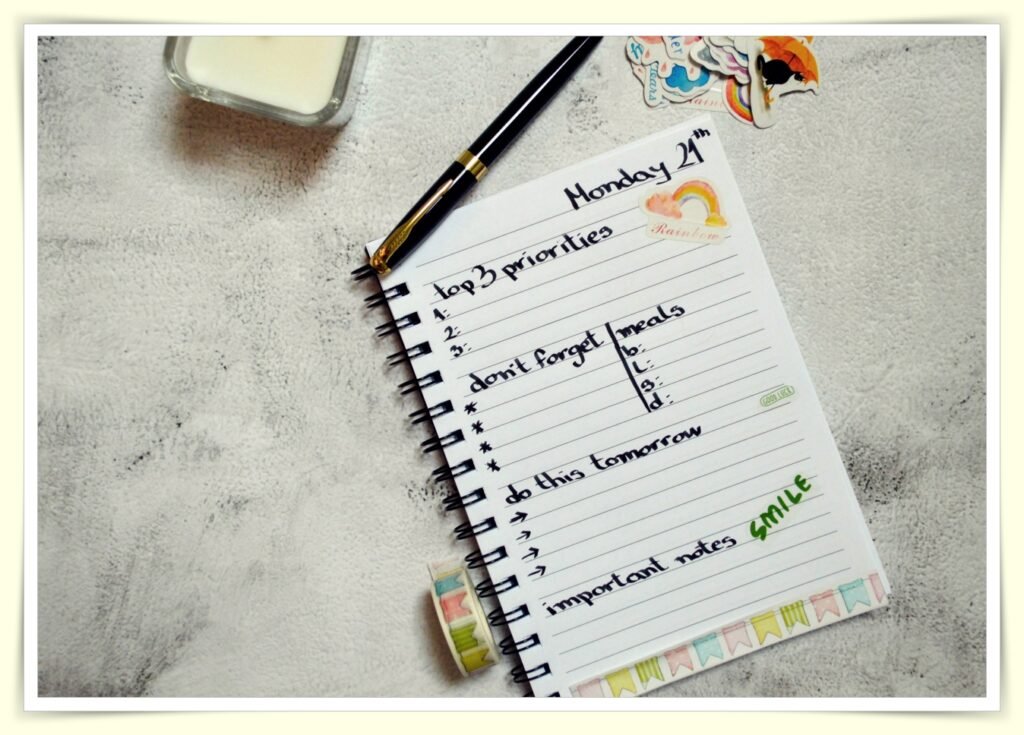
Meal planning is the single most effective strategy for reducing food waste. When you know exactly what you’re cooking for the week, you buy only what you need, and every ingredient has a purpose. Without a plan, you buy based on vague intentions (‘I should probably get vegetables’) and end up with a crisper full of wilted produce on Sunday.
A simple meal planning process:
- Check your fridge, freezer, and pantry before planning — use what you have first
- Plan 4–5 dinners for the week (leave room for leftovers and one flexible night)
- Write a specific grocery list with exact quantities needed for each recipe
- Stick to the list. Impulse purchases at the grocery store are a major source of waste
Even rough meal planning — knowing Tuesday is pasta night, Wednesday is stir-fry, Thursday is leftovers — dramatically reduces the number of mysterious containers at the back of the fridge. Families who meal plan consistently report spending $100–$200 less per month on groceries than those who shop without a plan.
Store Food Correctly to Make It Last
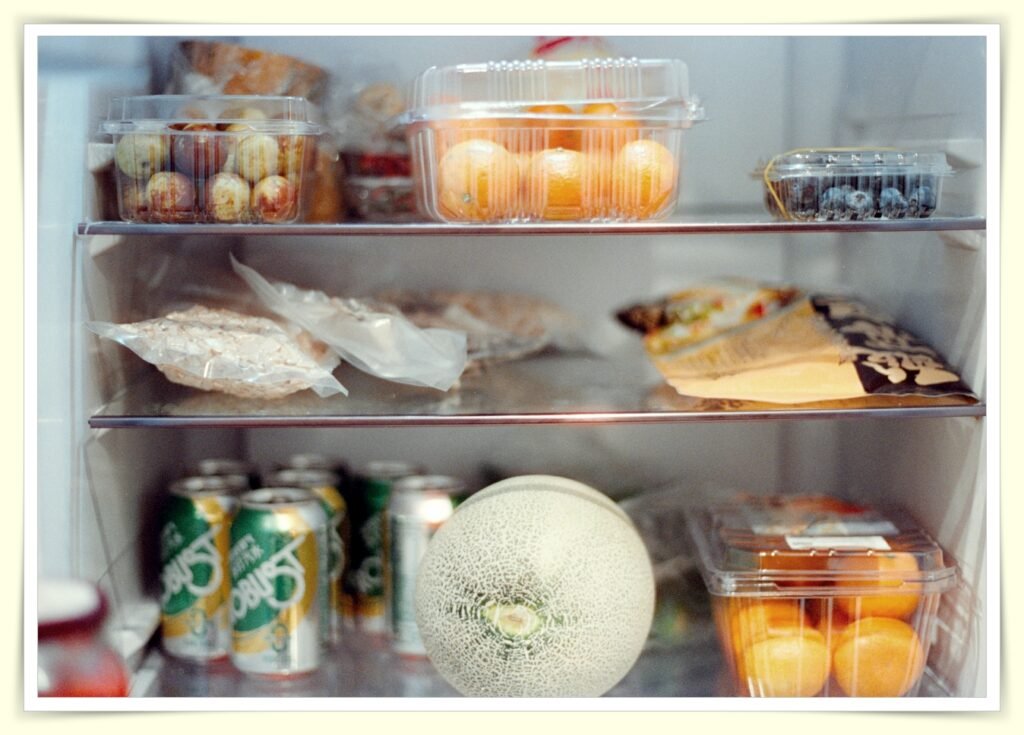
Most food waste isn’t about buying too much — it’s about food going bad before you can use it. Proper storage extends the life of groceries significantly:
- Herbs: store fresh herbs like flowers — trim stems, place in a jar of water, cover loosely with a plastic bag. Parsley and cilantro last 1–2 weeks this way instead of 2–3 days in the bag
- Berries: wash just before eating, not when you get home. Store dry in the refrigerator in a breathable container. White vinegar rinse (1 part vinegar, 3 parts water) kills mold spores and can extend life by several days
- Greens: store washed, dried greens with a paper towel in a container to absorb moisture. Properly stored spinach and lettuce last 5–7 days instead of 2–3
- Avocados: store an open avocado with the pit in and brush with lemon juice — reduces browning significantly
- Cheese: wrap cut cheese in parchment paper before placing in a bag — prevents drying out and prolongs freshness
- Bread: freeze what you won’t eat in 2–3 days. Toast directly from frozen with no quality loss
Understanding what goes in the fridge vs. counter also matters. Tomatoes lose flavor and texture when refrigerated. Bananas ripen faster in the fridge. Potatoes and onions should be stored separately — together they cause each other to spoil faster.
Shop Your Fridge and Pantry First
Before every grocery trip, open your refrigerator and pantry and inventory what you have. Many households have enough food on hand for 2–3 meals if they actually used it rather than letting it expire. A weekly ‘fridge audit’ before shopping ensures you’re building meals around existing ingredients.
A useful concept: the ‘Eat Down the Pantry’ challenge. Once a month, skip your regular grocery trip and instead cook only from what’s already in your home. Most families are surprised to discover they can eat well for an entire week from existing supplies. This not only prevents waste but generates a free week of groceries.
Organize your refrigerator and pantry with a FIFO (First In, First Out) system — newer items go to the back, older items come to the front. This simple habit is used by every professional kitchen in the world and works equally well at home.
Learn to Love Leftovers and Repurpose Ingredients
In many American households, leftovers are the food that gets forgotten at the back of the fridge and eventually thrown out. Changing your relationship with leftovers can save $40–$80/month. Strategies:
- Cook once, eat twice: make larger portions intentionally so Monday’s roast chicken becomes Tuesday’s chicken salad or soup
- Designate one night per week as ‘Leftover Night’ — clean out the fridge and finish what’s there before starting fresh
- Repurpose vegetable scraps: save onion peels, carrot tops, celery ends, and other vegetable trimmings in a freezer bag. When full, simmer into homemade vegetable broth — completely free and better than store-bought
- Turn overripe fruit into smoothies, baked goods, or frozen treats instead of throwing it away
- Stale bread becomes breadcrumbs, croutons, or French toast — nothing that can be dried and toasted should go in the trash
- Leftover rice is better as fried rice the next day than it is when freshly cooked
Buy Smart at the Grocery Store
Some grocery shopping habits lead directly to food waste:
- Avoid buying large quantities of fresh produce unless you have a specific plan to use it — a 5-pound bag of spinach is a bargain only if you actually eat all of it
- Don’t overbuy on ‘buy one get one free’ deals on perishables — two containers of sour cream going bad is never a deal
- Look for ‘manager’s special’ or yellow-tag items near their sell-by date — often 30–50% off and perfectly fine if used within 1–2 days or frozen immediately
- Buy whole vegetables rather than pre-cut when possible — pre-cut produce spoils faster and costs 50–200% more
- Choose frozen vegetables over fresh when you’re not sure when you’ll use them — same nutrition, no spoilage risk, and often cheaper
Use Your Freezer as a Money-Saving Tool
Your freezer is one of the most powerful tools for preventing food waste and saving money. Almost everything can be frozen — meat, bread, cooked grains, soups, sauces, bananas, and even eggs. When you see meat on sale, buy extra and freeze it. When you cook a large pot of soup or chili, freeze half for a future night when you don’t feel like cooking.
Label everything you freeze with the date and contents. A good rule: if it’s been in the freezer for more than 3 months without being eaten, you probably don’t want it — factor that into your future purchasing decisions.
Frequently Asked Questions
Q: How much money can a family realistically save by reducing food waste?
The USDA estimates the average 4-person household wastes $1,500–$2,000 in food annually. In real terms, most families I’ve seen implement these strategies reduce their weekly grocery bill by $30–$50 — $1,560–$2,600 per year. The impact is largest in households that currently do no meal planning, don’t use their freezer, and regularly find forgotten produce at the back of the fridge. Start with meal planning and the ‘shop your fridge first’ habit — those two changes alone typically save $800–$1,200/year.
Q: What do ‘sell-by,’ ‘best by,’ and ‘use by’ dates actually mean?
Most food date labels are manufacturer recommendations for peak quality, not safety deadlines. ‘Best by’ and ‘use by’ dates mean the product is at its best flavor and quality before that date — not that it becomes unsafe after. Eggs are safe 3–5 weeks past their purchase date. Milk typically lasts 7 days past the printed date if stored properly. Dry goods like pasta, rice, and canned foods can last years past their date. The exceptions are ready-to-eat deli meats and soft cheeses, which can harbor Listeria and should be consumed closer to their dates. When in doubt, use your nose and eyes — if it smells and looks fine, it almost always is.
Q: What’s the best way to keep track of what’s in my fridge?
The simplest system: a small whiteboard or sticky note on your fridge listing items that need to be used soon. Apps like Fridgely or Pantry Check let you log items digitally and track expiration dates. The most practical approach is doing a weekly 5-minute fridge scan — pull everything out, assess what’s near expiry, and build that week’s meal plan around those items first. Many people find this single habit saves $50–$75/month.
Stop Throwing Money in the Trash

Food waste is a silent budget leak that most households never consciously address. The wilted spinach, the expired yogurt, the forgotten leftovers — each one represents money that went directly from your wallet to the garbage can. The strategies in this guide are small habit changes that, applied consistently, can save your household $100–$150/month. For more strategies, read our guide on how to save money on food without coupons.
Start with one change this week: before your next grocery trip, open your fridge and pantry and plan two meals around what’s already there. That single act could save you $20–$40 on this week’s grocery bill. Build from there and watch your food budget shrink while your meals actually improve.